Guide to Robot Vacuums and Service Animals: ADA Rules, Safety Tips & Best Practices
Introduction
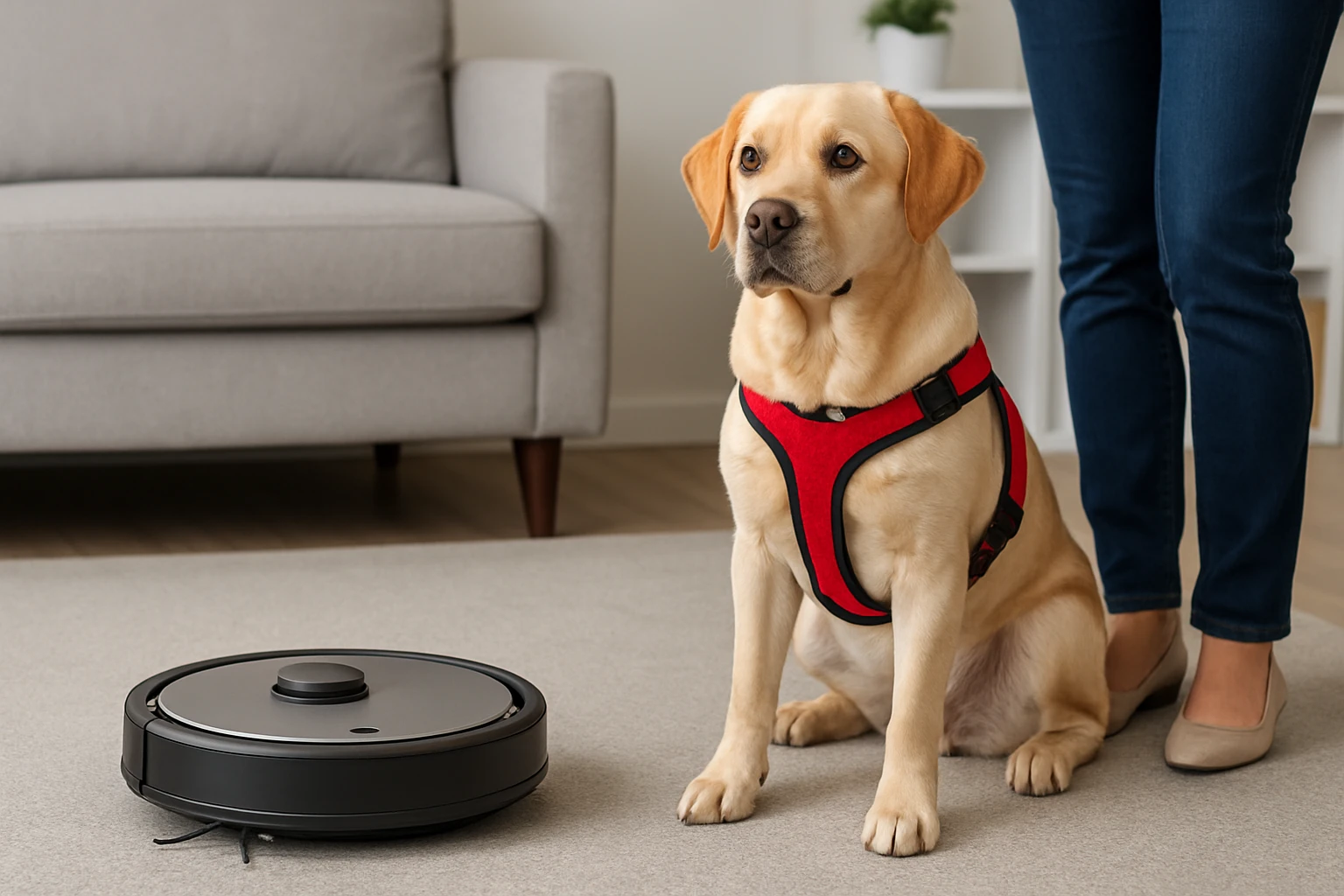
The modern home increasingly relies on autonomous cleaning devices to maintain hygiene while occupants focus on daily responsibilities. When a service animal is part of the household, understanding the interaction between robot vacuums and the animal becomes essential for compliance with the Americans with Disabilities Act (ADA). This guide explains the legal framework, safety considerations, and practical strategies for integrating robot vacuums into environments that host service animals. Readers will learn how to select appropriate equipment, implement safety measures, and answer common questions about ADA compliance.
By the end of this article, one will possess a clear roadmap for creating a clean, safe, and legally compliant living space. The information blends regulatory insight with product recommendations, ensuring that both the animal’s welfare and the homeowner’s convenience are protected.
Background and Context
The ADA defines a service animal as a dog that is individually trained to perform tasks for a person with a disability. In some cases, miniature horses also qualify. These animals are granted public access rights and are protected against discrimination. However, the ADA does not specifically address autonomous cleaning devices, leaving homeowners to interpret how robot vacuums should be used without impeding the animal’s duties.
Key considerations include noise levels, physical obstacles, and the potential for a vacuum to interfere with a service animal’s task execution. Understanding these factors helps owners avoid inadvertent violations, such as creating a hostile environment that could diminish the animal’s ability to assist its handler.
In addition, manufacturers provide features that can mitigate risks, such as low‑noise operation, obstacle detection, and customizable cleaning zones. Selecting devices with these capabilities aligns technology with ADA requirements, fostering an inclusive home environment.
Understanding ADA Requirements for Service Animals
The ADA mandates that individuals with disabilities may be accompanied by a service animal in any public accommodation, including multi‑unit housing. While private residences are not public accommodations, landlords and housing providers must make reasonable accommodations for tenants with service animals. Reasonable accommodations may involve adjusting cleaning schedules, providing designated cleaning zones, or installing barriers that prevent a robot vacuum from entering areas reserved for the animal.
Reasonable accommodations do not require owners to purchase expensive equipment, but they must not create undue hardship. Therefore, low‑cost solutions such as magnetic boundary strips can satisfy compliance while preserving the animal’s workspace.
Owners should also be aware that service animals are protected from harassment, which includes exposing them to loud, unpredictable noises that could cause stress. Selecting a quiet robot vacuum contributes to a calm environment and demonstrates good faith effort toward compliance.
Key Concepts for Safe Integration
Three core concepts guide the safe integration of robot vacuums with service animals: noise management, physical barriers, and scheduled cleaning.
- Noise Management: Choose vacuums with decibel ratings below 70 dB to minimize stress for the animal.
- Physical Barriers: Use magnetic boundary strips or virtual walls to restrict the vacuum’s path, protecting the animal’s work area.
- Scheduled Cleaning: Program cleaning cycles during times when the service animal is not performing tasks, reducing the likelihood of interference.
Implementing these concepts creates a predictable environment that respects the service animal’s role while maintaining household cleanliness.
Product Recommendations
Below are three products that enhance safety and compliance when used alongside service animals. Each recommendation highlights features relevant to ADA considerations.
Shark Rocket Pet Plus Vacuum
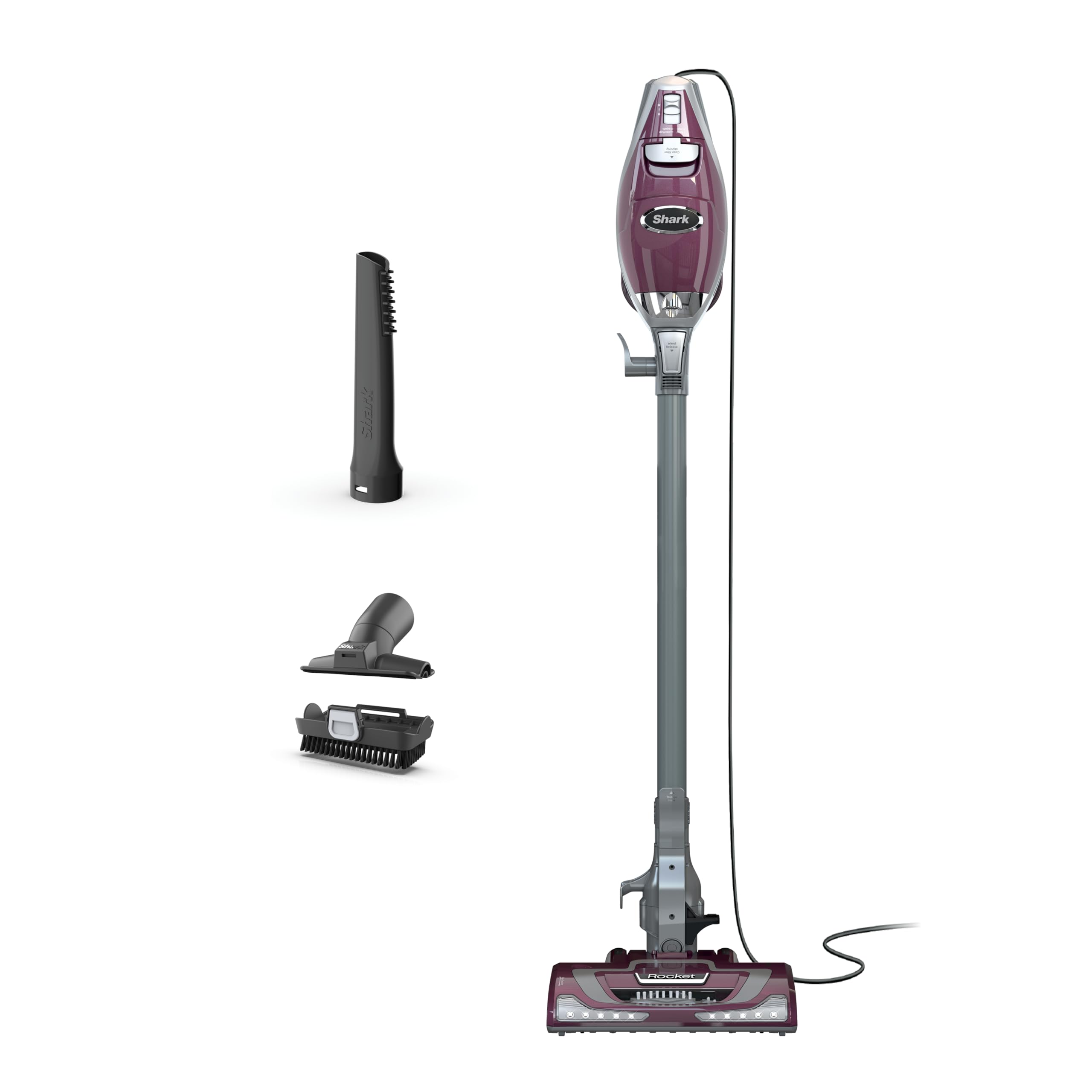
The Shark Rocket Pet Plus Vacuum offers powerful suction and a lightweight design, making it ideal for quick spot cleaning without generating excessive noise. Its LED headlights illuminate hidden debris, reducing the need for repeated passes that could disturb the animal. The included pet tools capture embedded hair, ensuring thorough cleaning of pet‑related messes while the ultra‑lightweight stick converts to a handheld unit for targeted cleaning around the service animal’s workspace.
Key specifications include a 0.68‑quart XL dust cup, LED headlights, and a corded power source that guarantees consistent suction. With a 4.4‑star rating from over 17,000 reviewers, the vacuum demonstrates reliability in homes with pets, a scenario closely related to service‑animal environments.
Eureka 3‑in‑1 Stick Vacuum
The Eureka 3‑in‑1 Stick Vacuum provides a versatile cleaning solution at a budget‑friendly price. Its lightweight construction (approximately 2.75 lb) allows owners to maneuver the device around the service animal’s designated area without causing disturbance. The vacuum features powerful continuous suction, a detachable dust cup, and a set of multipurpose attachments that enable cleaning of stairs, upholstery, and tight spaces.
Its ability to stand upright and wrap the cord neatly reduces tripping hazards, an important safety factor for both the handler and the service animal. The product holds a 4.1‑star rating from nearly 79,000 reviewers, indicating broad satisfaction among users who value convenience and performance.
Magnetic Robot Vacuum Boundary Strip
For homes that employ autonomous robot vacuums, the Magnetic Robot Vacuum Boundary Strip creates a virtual wall that prevents the robot from entering areas reserved for the service animal. The strips are cuttable to fit any room layout and produce a three‑dimensional magnetic field that most robot vacuums recognize as an obstacle.
At a price of $10.99 and a 3.7‑star rating from 240 reviews, the strips offer an affordable method to comply with ADA‑related space accommodations. They are compatible with major robot brands such as Shark, iRobot, Roborock, and Neato, ensuring broad applicability.
Comparison and Selection Guide
Choosing the right cleaning solution depends on several factors: household size, presence of multiple pets, budget constraints, and the specific tasks performed by the service animal. The table below compares the three featured products across key dimensions.
| Feature | Shark Rocket Pet Plus | Eureka 3‑in‑1 Stick | Magnetic Boundary Strip |
|---|---|---|---|
| Primary Function | Corded stick vacuum with handheld conversion | Lightweight corded stick with 3‑in‑1 conversion | Physical barrier for robot vacuums |
| Price | $149.99 | $39.99 | $10.99 |
| Noise Level (approx.) | ~68 dB | ~70 dB | Silent |
| Weight | ~6 lb | ~2.75 lb | N/A |
| Rating | 4.4/5 (17,438 reviews) | 4.1/5 (79,001 reviews) | 3.7/5 (240 reviews) |
| Best For | Homes with heavy pet hair, need for handheld cleaning | Budget‑conscious users, quick spot cleaning | Robot‑vacuum households requiring zone control |
Owners who prioritize deep cleaning of pet hair may prefer the Shark model, while those seeking a lightweight, affordable option may select the Eureka vacuum. If a robot vacuum is already in use, the magnetic boundary strip offers the most direct method to protect the service animal’s workspace.
Best Practices & Tips
Beyond product selection, the following practices help maintain a harmonious environment for both robot vacuums and service animals:
- Establish Clean Zones: Use magnetic strips or virtual walls to delineate areas where the service animal works. Clearly label these zones for all household members.
- Schedule Cleaning During Downtime: Program robot vacuums to operate when the service animal is resting or away from its task area. This reduces auditory stress and prevents accidental obstruction.
- Maintain Low Noise Levels: Choose vacuums with decibel ratings below 70 dB. If a vacuum exceeds this threshold, consider adding sound‑absorbing mats beneath the device.
- Regularly Inspect Sensors: Dust and pet hair can obstruct optical or acoustic sensors, causing the robot to behave unpredictably. Clean sensors weekly to ensure reliable obstacle detection.
- Provide Safe Storage: Store handheld units and accessories out of the animal’s reach to avoid chewing or accidental activation.
- Train the Animal: Gradually introduce the robot vacuum while rewarding calm behavior. This acclimatization reduces anxiety and reinforces the animal’s confidence.
Implementing these steps demonstrates a proactive approach to ADA compliance and promotes a peaceful cohabitation between technology and service animals.
Frequently Asked Questions
- 1. Does the ADA require homeowners to purchase specific cleaning equipment for service animals?
- No. The ADA obligates reasonable accommodations, which can be met with low‑cost solutions such as magnetic boundary strips or scheduled cleaning times.
- 2. Can a robot vacuum’s noise affect a service animal’s performance?
- Yes. Loud, sudden noises can startle service animals, potentially impairing their ability to assist. Selecting low‑noise models mitigates this risk.
- 3. Are magnetic boundary strips compatible with all robot vacuums?
- Most modern robot vacuums with magnetic sensor technology recognize the strips. Compatibility lists include Shark, iRobot, Roborock, Neato, and several other brands.
- 4. How often should I clean the vacuum’s dust cup in a home with a service animal?
- Empty the dust cup after each cleaning session to prevent buildup of hair and dander, which could affect air quality for both the handler and the animal.
- 5. What if my landlord refuses to allow a magnetic boundary strip?
- Explain that the strip is a temporary, non‑permanent solution that does not alter the property. It is a reasonable accommodation under the Fair Housing Act, which mirrors ADA principles for housing.
- 6. Should I use a handheld vacuum around the service animal’s workspace?
- Handheld vacuums such as the Shark Rocket Pet Plus can be used for spot cleaning without moving the robot, provided they are operated at a low volume and the animal is not actively performing a task.
Conclusion
Integrating robot vacuums into homes that host service animals requires careful attention to ADA guidelines, noise management, and spatial planning. By selecting appropriate equipment—such as the Shark Rocket Pet Plus Vacuum, Eureka 3‑in‑1 Stick Vacuum, or Magnetic Robot Vacuum Boundary Strip—owners can maintain cleanliness while respecting the animal’s role. Implementing best‑practice strategies, including scheduled cleaning and clear zone demarcation, further ensures compliance and fosters a calm environment. Ultimately, a thoughtful approach balances technological convenience with the legal and ethical responsibilities owed to service‑animal handlers.
Products Featured in This Guide
Shark Rocket Pet Plus Vacuum
Price: $149.99
Rating: 4.4/5 (17,438 reviews)
Featured because its powerful suction, LED headlights, and lightweight handheld conversion provide quiet, thorough cleaning ideal for homes with service animals and pets.
Eureka 3-in-1 Stick Vacuum
Price: $39.99
Rating: 4.1/5 (79,001 reviews)
Featured for its lightweight design, powerful continuous suction, and versatile attachments that enable quick spot cleaning without disturbing service animals.
Magnetic Robot Vacuum Boundary Strip
Price: $10.99
Rating: 3.7/5 (240 reviews)
Featured because it creates a customizable virtual wall, allowing owners to restrict robot vacuums from service‑animal work zones, thereby supporting ADA‑compliant accommodations.

