
How to Measure Vacuum Suction in Pascals for Pet Hair: Step‑by‑Step Guide
Introduction
Understanding the suction power of a vacuum cleaner is essential for anyone who battles pet hair on carpets, upholstery, and hard floors. Measuring suction in Pascals provides an objective metric that can be compared across models, ensuring that one selects a machine capable of lifting stubborn fur. This guide will teach the reader how to accurately measure vacuum suction, interpret the results, and apply the findings to improve cleaning efficiency. By the end of the article, one will be equipped with a reliable method and the knowledge to maintain peak performance.
What You’ll Need
- A vacuum cleaner capable of generating measurable suction (e.g., Bissell CleanView Compact Turbo Vacuum).
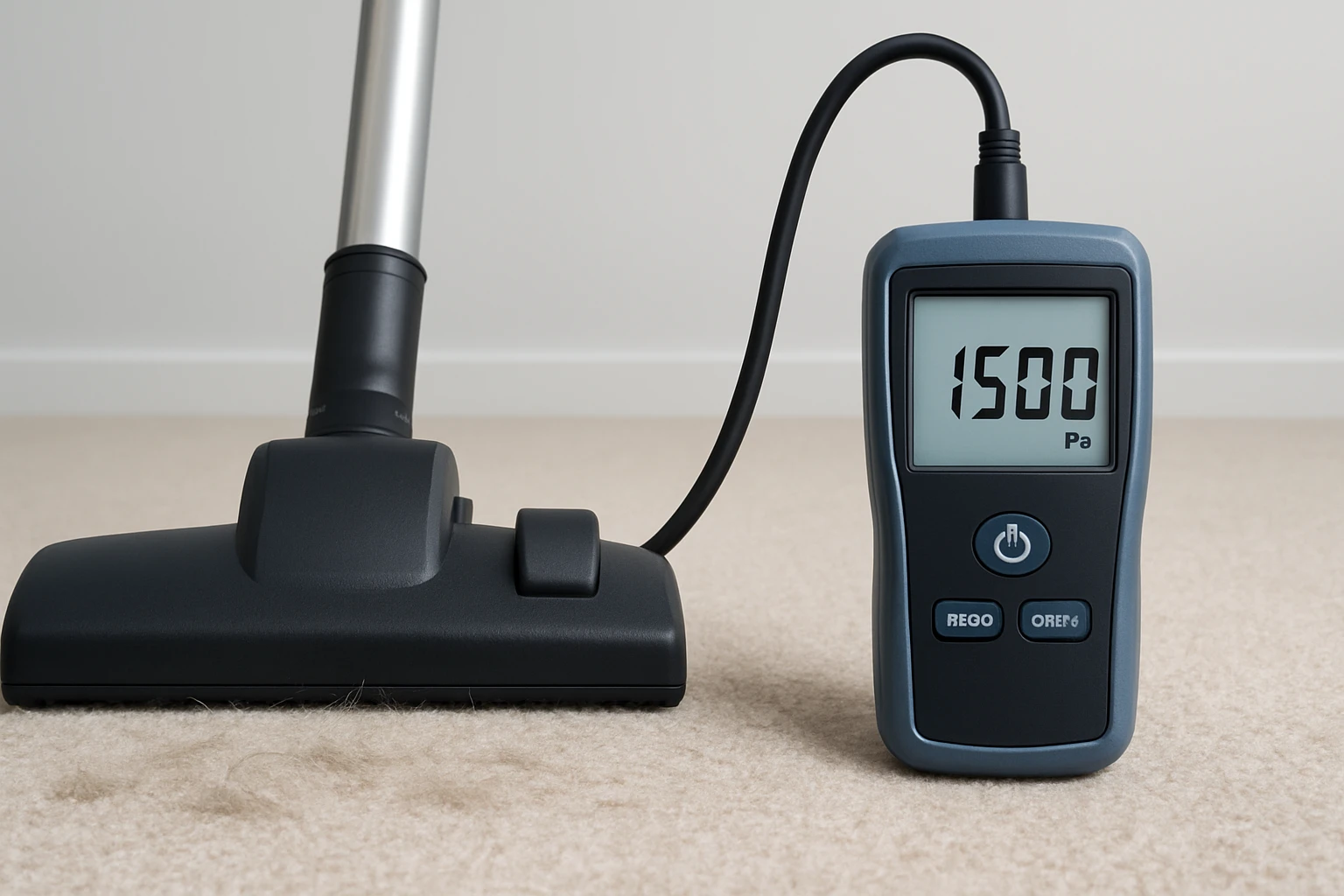
- A digital manometer or pressure gauge that reads in Pascals.
- A flexible tubing adapter that fits the vacuum’s hose inlet.
- A small airtight sealing disc or rubber gasket.
- A notebook or digital device for recording measurements.
- Protective gloves and eye protection.
All of these items are readily available at hardware stores or online retailers. The vacuum listed above weighs less than 10 lb, offers full‑size power in a compact form, and is praised for its multi‑surface cleaning ability, making it an ideal test subject for pet‑hair environments.
Step 1: Prepare the Measurement Area
Begin by selecting a flat, non‑porous surface such as a tiled floor or a large wooden board. This ensures that the suction reading is not influenced by surface irregularities. Place the sealing disc on the surface and secure it with the rubber gasket to create an airtight seal. Wear gloves to avoid contaminating the seal with oils from the hands, which could affect the pressure reading.
Why this matters: An airtight seal isolates the vacuum’s suction from ambient air pressure, allowing the manometer to capture the true vacuum pressure generated by the motor. Skipping this step can result in under‑reported values, leading to an inaccurate assessment of cleaning capability.
Step 2: Attach the Manometer
Connect one end of the flexible tubing adapter to the inlet of the manometer, ensuring a snug fit to prevent leaks. Attach the opposite end of the tubing to the vacuum’s hose opening, using the quick‑release wand of the Bissell CleanView Compact Turbo Vacuum if needed. The quick‑release wand allows rapid changes between cleaning and measurement configurations without losing suction.
Why this matters: The Bissell’s lightweight design (<10 lb) and compact size simplify the setup, especially in confined spaces such as apartments or dorm rooms where many pet owners reside. Its bagless, easy‑empty dirt tank also means that the vacuum will not lose suction due to a full collection bin during testing.
Step 3: Calibrate the Manometer
Before taking any readings, power on the vacuum and allow it to run for at least thirty seconds to reach steady‑state performance. With the vacuum turned on, observe the manometer reading while the hose is disconnected from the seal. Adjust the manometer to zero pressure (atmospheric) according to the manufacturer’s instructions. This calibration step eliminates baseline errors caused by ambient pressure variations.
Why this matters: Calibration ensures that the pressure differential displayed reflects only the vacuum’s suction, not the surrounding atmospheric pressure. Accurate calibration is the foundation of reliable data collection.
Step 4: Measure Suction in Pascals
Secure the hose to the sealed disc and activate the vacuum. Observe the manometer reading after the pressure stabilizes, typically within five seconds. Record the value in Pascals (Pa). For pet‑hair assessment, repeat the measurement on three different surfaces: a smooth tile, a low‑pile carpet, and a high‑pile rug. Average the three readings to obtain a representative suction value for the vacuum.
Why this matters: Different floor types present varying resistance to airflow. By measuring across multiple surfaces, one gains a comprehensive understanding of the vacuum’s capability to lift pet hair from diverse environments.
Step 5: Interpret the Results
Compare the averaged suction value to industry benchmarks. A suction level of 15,000 Pa or higher is generally considered strong enough to lift dense pet hair from low‑pile carpets, while values above 20,000 Pa are needed for high‑pile rugs. If the measured suction falls short, consider cleaning or replacing the filter, checking for blockages, or using the vacuum’s multi‑surface mode to boost airflow.
Why this matters: Interpreting the data enables the user to make informed decisions about maintenance, accessory upgrades, or even purchasing a new vacuum. The Bissell CleanView Compact Turbo Vacuum’s rating of 4.3 stars from 9,792 reviews indicates reliable performance, but regular measurement ensures it continues to meet the required standards.
Tips & Pro Tips
- Perform measurements when the vacuum’s dust bin is less than half full to avoid reduced suction due to airflow restriction.
- Use a digital manometer with a resolution of at least 1 Pa for greater precision.
- When testing on carpet, place a thin piece of plywood under the seal to prevent carpet fibers from deforming the airtight barrier.
- Repeat the measurement after each deep‑cleaning cycle to track performance degradation over time.
- Consider using the Bissell’s scatter‑free technology, which minimizes debris rebound and maintains consistent suction during pet‑hair removal.
Troubleshooting
Problem: Manometer reading fluctuates wildly.
Solution: Verify that all connections are airtight; replace any worn tubing or gasket. Ensure the vacuum’s brush roll is not jammed, as a stalled motor can cause inconsistent suction.
Problem: Measured suction is significantly lower than advertised.
Solution: Clean or replace the filter, empty the dirt tank, and inspect the hose for clogs. The Bissell CleanView Compact Turbo Vacuum’s easy‑empty dirt tank simplifies this maintenance step.
Conclusion
Measuring vacuum suction in Pascals provides a scientific basis for evaluating a cleaner’s ability to handle pet hair across various surfaces. By following the five steps outlined above, one can obtain accurate, repeatable measurements and make data‑driven decisions about maintenance or equipment upgrades. Regular testing, combined with proper upkeep of tools such as the Bissell CleanView Compact Turbo Vacuum, ensures that pet owners maintain a hair‑free home while supporting a product that has earned high consumer confidence.
Products Mentioned in This Guide
Frequently Asked Questions
What equipment is required to measure vacuum suction in Pascals?
You need a digital manometer or pressure gauge, a flexible tubing adapter, an airtight sealing disc or gasket, and a notebook or device for recording the readings.
How do you connect the manometer to the vacuum cleaner for an accurate reading?
Attach the tubing adapter to the vacuum’s hose inlet, seal it with the gasket, and connect the other end to the manometer, ensuring no leaks.
What suction range in Pascals is considered effective for removing pet hair?
A suction pressure of 10,000–15,000 Pa is typically strong enough to lift stubborn pet hair from carpets and upholstery.
How often should you measure your vacuum’s suction to maintain optimal performance?
Measure the suction every 3–6 months or after cleaning/replacing filters to ensure the vacuum retains its cleaning power.
Can a low Pascal reading indicate a clogged filter or blockage?
Yes, a reduced pressure reading often signals a clogged filter, hose blockage, or worn brush roll that needs cleaning or replacement.