Ultimate Guide to Composting Pet Hair: Eco-Friendly Disposal Options
Introduction
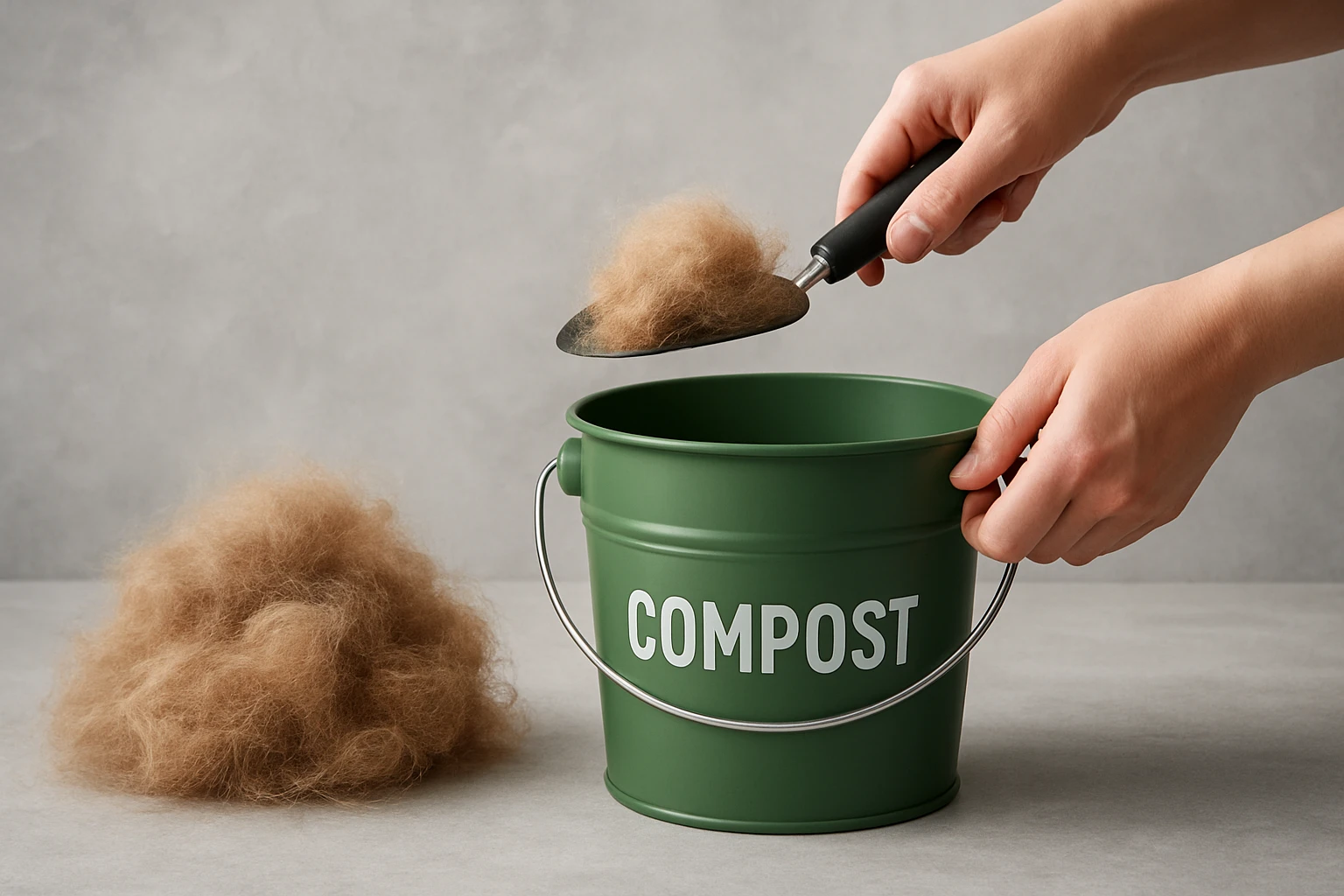
Pet hair is a ubiquitous by‑product of owning cats, dogs, or small mammals, and many owners wonder how to dispose of it responsibly. This guide explains the science behind composting pet hair, outlines safe methods for incorporating it into a compost system, and recommends equipment that simplifies the process. Readers will learn how to assess their composting needs, compare two high‑capacity compost bins, and adopt best‑practice techniques that protect both the environment and their garden.
By the end of this article, one will be able to decide whether pet hair can be added to an existing compost pile, select a suitable bin, and follow step‑by‑step procedures that ensure hygienic, odor‑free results.
Background and Context
Composting is a biological process in which microorganisms break down organic matter into a stable, humus‑like material that enriches soil. Pet hair, primarily composed of keratin, is a protein‑rich fiber that decomposes more slowly than kitchen scraps but can still be transformed into valuable compost when managed correctly.
Key considerations include:
- Carbon‑to‑Nitrogen Ratio (C:N): Hair contributes nitrogen; balancing it with carbon‑rich materials such as shredded newspaper prevents nitrogen loss and odor.
- Moisture Level: Hair absorbs water, so maintaining a moisture content of 50‑60 % is essential for microbial activity.
- Pathogen Management: Pet waste must be kept separate from hair; only shed hair without fecal contamination should enter the compost.
When these parameters are met, hair breaks down within 3‑6 months, adding organic matter that improves soil structure and water retention.
Choosing the Right Compost Bin for Pet Hair
Two compost bins stand out for gardeners who wish to incorporate pet hair regularly. The first is the VIVOSUN 500 Gallon Compost Bin, a large, expandable container suitable for families with multiple pets. The second is the Maygrove 53 Gallon Dual Chamber Compost Bin, a rotating tumbler that speeds up decomposition.
Both models include ventilation systems that promote aerobic breakdown, a critical factor when adding nitrogen‑rich hair. Below is a detailed look at each product’s features, followed by a side‑by‑side comparison.
VIVOSUN 500 Gallon Compost Bin
The VIVOSUN bin offers a massive 500‑gallon capacity, allowing users to store large volumes of hair, leaves, and kitchen waste in a single unit. Its HDPE construction resists corrosion and weathering, ensuring durability across seasons. The bin’s adjustable size lets owners expand or contract the chamber, which is useful for matching the volume of pet hair generated each month.
Key specifications:
- Capacity: 500 gallons (adjustable)
- Material: High‑density polyethylene (HDPE)
- Ventilation: Wall holes for optimal airflow
- Accessories: Includes waterproof garden gloves
- Rating: 4.1 / 5.0 from 547 reviews
- Price: $53.99
Because the bin is lightweight yet sturdy, it can be relocated easily when the compost matures, enabling continuous use without purchasing a new container.
Maygrove 53 Gallon Dual Chamber Compost Bin
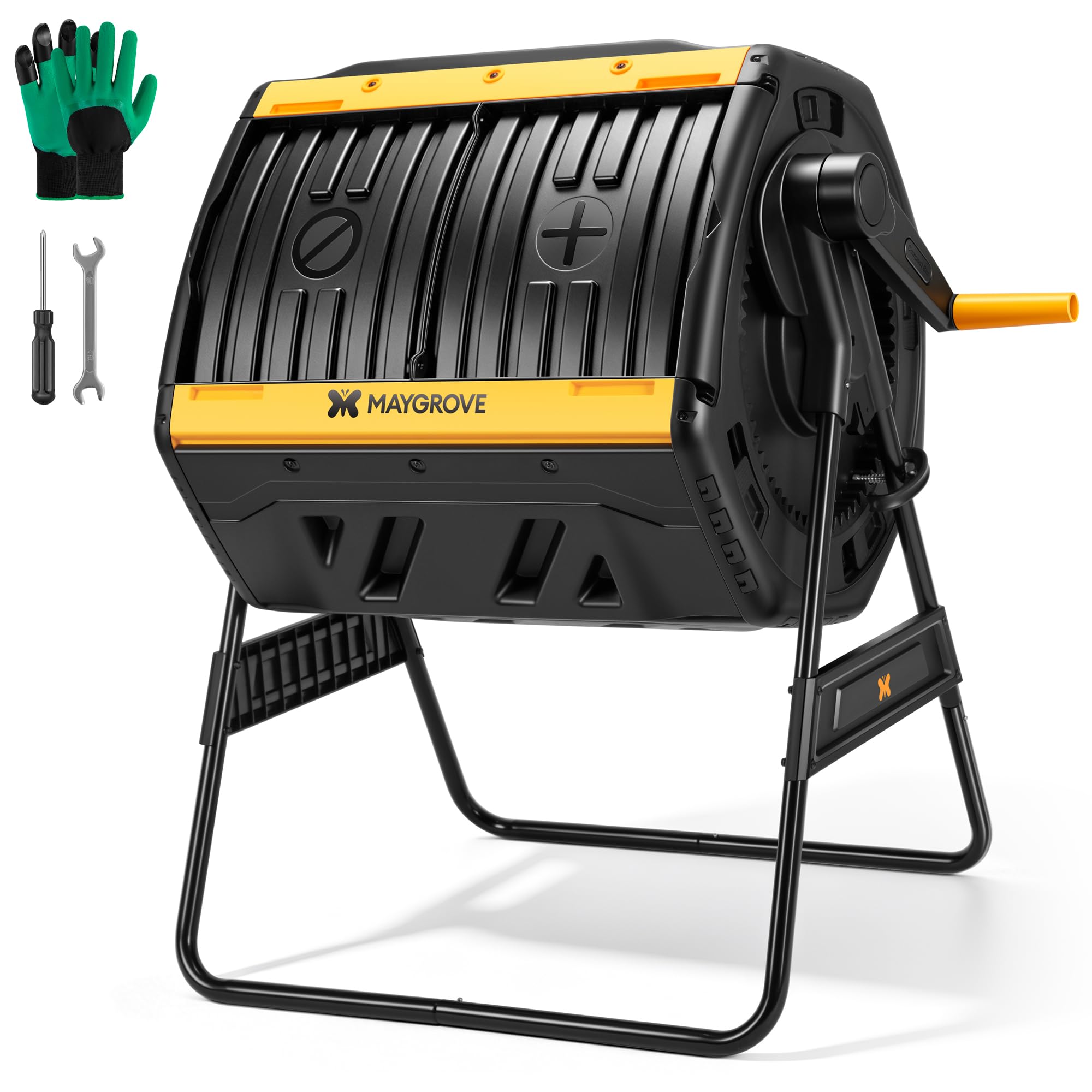
The Maygrove system features two 53‑gallon chambers that operate independently, allowing one chamber to finish composting while the other receives fresh hair and kitchen scraps. Its 360° rotating drum with built‑in mixing bars eliminates the need for manual turning, a convenience for owners who prefer a low‑maintenance solution.
Key specifications:
- Capacity: 53 gallons per chamber (total 106 gallons usable)
- Frame: Heavy‑duty steel with UV‑resistant polypropylene (PP) plastic
- Rotation: Gear‑assist handle for smooth turning
- Ventilation: Adjustable air vents
- Rating: 4.2 / 5.0 from 50 reviews
- Price: $143.99
The dual‑chamber design is particularly advantageous for pet owners who want a continuous supply of finished compost while still adding fresh hair daily.
Comparison and Selection Guide
| Feature | VIVOSUN 500 Gallon Compost Bin | Maygrove 53 Gallon Dual Chamber Compost Bin |
|---|---|---|
| Overall Capacity | 500 gallons (adjustable) | 106 gallons usable (two 53‑gallon chambers) |
| Material Durability | HDPE – corrosion‑resistant, lightweight | Steel frame + UV‑resistant PP – heavy‑duty |
| Ventilation System | Wall perforations for passive airflow | Adjustable vents for controlled airflow |
| Ease of Use | Manual size adjustment; simple assembly | 360° rotating drum with gear‑assist handle |
| Price | $53.99 | $143.99 |
| Customer Rating | 4.1/5 (547 reviews) | 4.2/5 (50 reviews) |
| Best For | Large households, multiple pets, high‑volume composting | Gardeners seeking continuous compost turnover and minimal effort |
When selecting a bin, consider the volume of hair produced, available garden space, and willingness to engage in manual turning. For a family with several cats producing abundant hair, the VIVOSUN bin provides ample storage at a lower price point. Conversely, a single‑dog owner who values speed and convenience may prefer the Maygrove tumbler despite its higher cost.
Best Practices & Tips for Composting Pet Hair
- Separate Hair from Waste: Only add clean, shed hair. Avoid any hair that has contacted feces or urine to prevent pathogen introduction.
- Balance the C:N Ratio: Mix hair with carbon‑rich materials such as shredded newspaper, straw, or dry leaves. Aim for a ratio of roughly 30 : 1 (carbon to nitrogen).
- Maintain Moisture: Spray water lightly after each addition of hair. The mixture should feel like a damp sponge, not soggy.
- Turn Regularly: For static‑wall bins like the VIVOSUN, turn the pile every 1‑2 weeks with a garden fork. In a tumbler such as the Maygrove, rotate the drum weekly to accelerate breakdown.
- Monitor Temperature: Ideal compost temperatures range from 130‑150 °F (55‑65 °C). Use a compost thermometer; if temperatures fall below 110 °F, add more nitrogen or increase aeration.
- Use a Layering Technique: Start with a 2‑inch layer of coarse carbon (branches or straw), add a thin layer of hair, then cover with another carbon layer. This sandwich method reduces odor and improves airflow.
- Harvest at Maturity: When the material is dark, crumbly, and earth‑smelling, it is ready for garden use. Sift out any remaining hair strands if a finer texture is desired.
Applying the finished compost to garden beds enriches soil structure, increases microbial diversity, and reduces the need for synthetic fertilizers. Pet hair, once decomposed, contributes protein that supports healthy plant growth.
Frequently Asked Questions
Can I compost hair from all types of pets?
Yes, hair from dogs, cats, rabbits, and even guinea pigs can be composted, provided it is free of fecal matter. Exotic pet fur may decompose more slowly due to denser keratin.
Is it safe to use compost containing pet hair on edible plants?
When the compost reaches full maturity and has been properly aerated, it is safe for use on vegetables and herbs. The high temperature during active composting eliminates most pathogens.
How long does pet hair take to break down?
In a well‑managed aerobic system, hair typically decomposes within 3‑6 months. Rotating bins can shorten this timeframe to 2‑4 months.
Do I need a special compost bin for pet hair?
A bin with good ventilation and sufficient capacity is essential. Both the VIVOSUN and Maygrove bins meet these criteria, but any bin that allows airflow and easy turning will work.
Can I add cat litter to the same bin?
Most cat litters contain clay or silica, which do not decompose and can hinder aeration. It is best to keep litter separate from organic compost.
What if my compost smells bad?
Odor usually indicates anaerobic conditions. Increase aeration by turning the pile, add more carbon material, and ensure the moisture level is not excessive.
Do I need to wear gloves when handling pet hair?
Wearing gloves, such as the waterproof gloves included with the VIVOSUN bin, protects hands from sharp hair strands and potential allergens.
Conclusion
Composting pet hair transforms a routine nuisance into a valuable resource for garden health. By understanding the science of nitrogen balance, moisture control, and aeration, one can safely incorporate hair into a compost system. Selecting the appropriate bin—whether the spacious VIVOSUN 500 Gallon Compost Bin for high‑volume needs or the efficient Maygrove Dual Chamber Compost Bin for continuous turnover—enhances the process and ensures consistent results. Following the best‑practice tips outlined above will produce nutrient‑rich compost that benefits plants, reduces waste, and supports sustainable living.
Products Featured in This Guide
VIVOSUN 500 Gallon Compost Bin
Price: $53.99
Rating: 4.1/5 (547 reviews)
Featured because its large, adjustable capacity and durable HDPE construction make it ideal for households that generate substantial amounts of pet hair and other organic waste.
Maygrove 53 Gallon Dual Chamber Compost Bin
Price: $143.99
Rating: 4.2/5 (50 reviews)
Featured because its dual‑chamber design and 360° rotating mechanism provide continuous composting and rapid decomposition, which is especially useful for users seeking low‑maintenance processing of pet hair.
