Robot Vacuum Wheel Clearance Guide for Homes with Large Dogs — Prevent Snags & Stalls
Introduction
Large dogs bring joy, but their size often creates obstacles for robot vacuums. This guide explains how wheel clearance, obstacle avoidance, and pet‑specific features influence performance. Readers will learn the science behind wheel clearance, practical steps to modify home layouts, and which products excel in pet‑friendly environments. By the end, one will be equipped to select a vacuum that navigates around dog toys, paws, and high‑traffic zones without frequent snags or stalls.
Background and Context
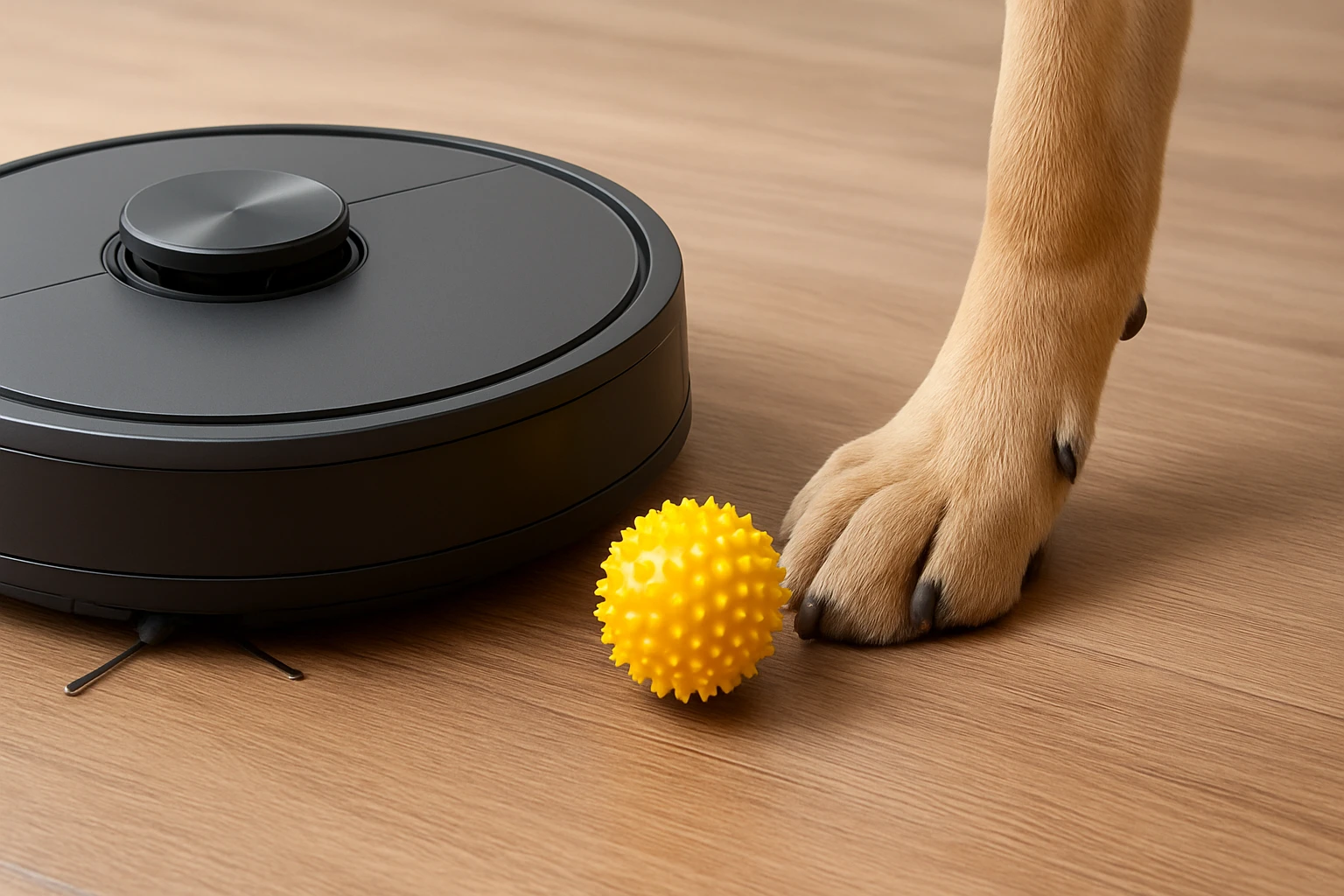
Robot vacuums rely on a combination of wheel diameter, ground clearance, and sensor arrays to traverse a floor. When a wheel encounters a protruding object—such as a dog’s paw, a chew toy, or a raised rug edge—the motor can stall, causing the device to stop or reverse. Dogs that weigh over 70 lb often leave larger footprints and push heavier objects, increasing the likelihood of interference. Understanding the interaction between wheel geometry and household clutter is essential for maintaining continuous cleaning cycles.
Modern vacuums incorporate smart obstacle detection, but the physical constraint of wheel clearance remains a mechanical limit. A vacuum with a low‑profile chassis (typically 3–4 inches) can glide under beds and sofas, yet it may still catch on a dog’s paw if the wheel radius is insufficient. Therefore, selecting a model with adequate wheel size, anti‑tangle brushes, and adaptive suction is crucial for large‑dog households.
Key Concepts for Wheel Clearance
Three technical concepts determine whether a robot can navigate a pet‑filled home without interruption:
- Wheel Diameter and Ground Clearance: Larger wheels raise the chassis, allowing the robot to roll over thicker rugs and occasional paw lifts. However, excessive height can reduce the ability to slip under low furniture.
- Obstacle Detection Algorithms: AI‑driven mapping (e.g., Roborock SmartPlan 2.0) learns high‑traffic zones and adapts routes to avoid repeated collisions with dog‑related obstacles.
- Anti‑Tangle Brush Systems: Rubber or silicone brushes minimize hair wrap, which is especially important when a dog sheds heavily.
Balancing these factors ensures that the robot maintains momentum while protecting delicate floor surfaces.
Product Recommendation: Roborock Qrevo S Pro
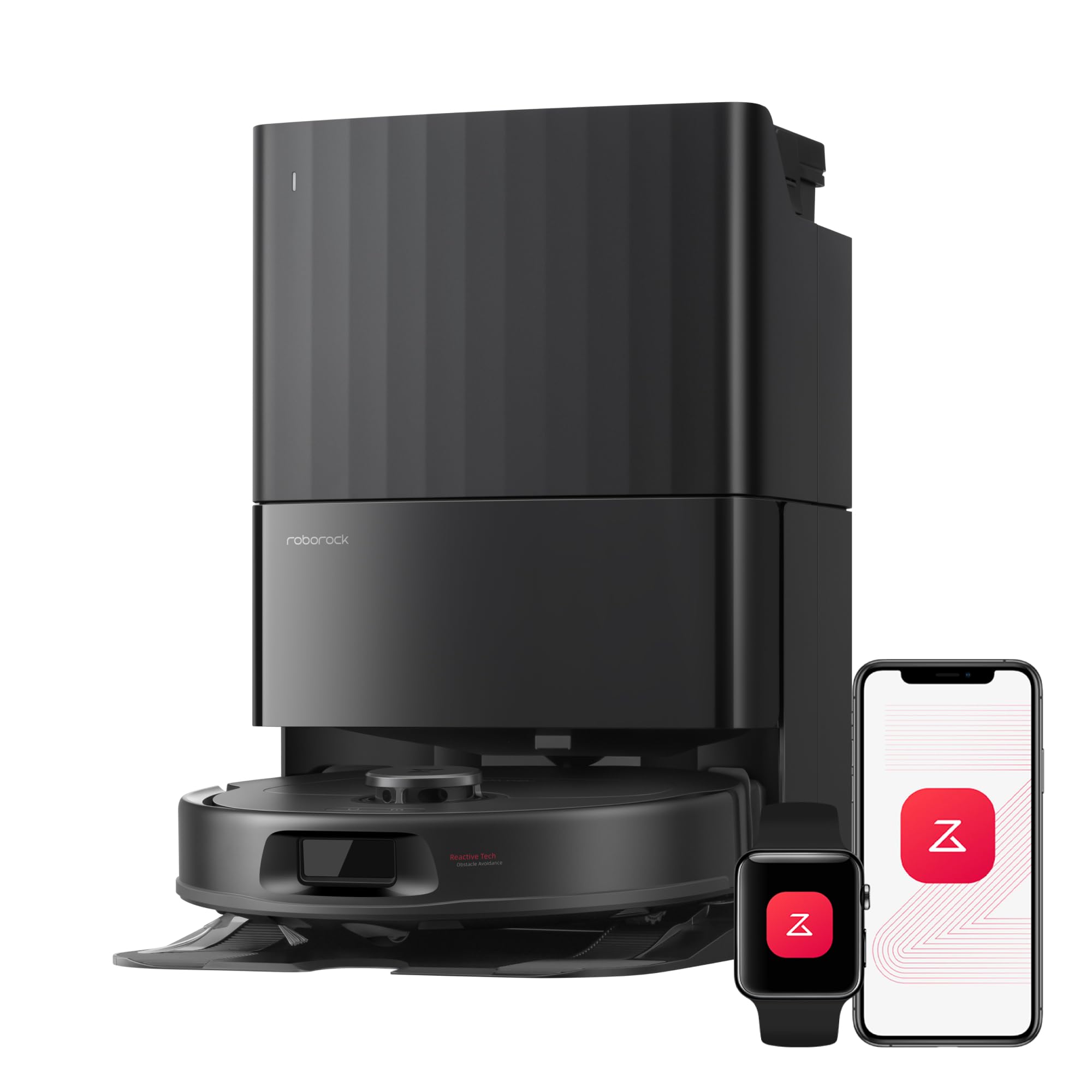
For homes with large dogs, the Roborock Qrevo S Pro offers a compelling blend of wheel clearance, suction power, and pet‑friendly features. Rated 4.3 out of 5 stars by 2,383 reviewers, this model provides 18,500 Pa suction, an anti‑tangle brush system, and a 3.8‑inch low‑profile design that fits under most furniture while still clearing modest obstacles. Its all‑in‑one dock empties dust into a sealed 2.7 L bag, reducing maintenance for busy households.
Key specifications include:
- Wheel diameter optimized for 3.8‑inch clearance, suitable for most rugs and low‑profile dog beds.
- Zero‑tangle side brush and all‑rubber main brush to handle heavy shedding.
- Smart obstacle detection that recognizes paw prints and toy clusters.
- Dual‑mop system with 167 °F self‑cleaning for wet messes caused by outdoor dogs.
The device’s AI‑powered SmartPlan 2.0 continuously updates cleaning maps, allowing it to avoid high‑traffic dog zones after each run. This combination of mechanical design and intelligent navigation makes the Qrevo S Pro a top choice for large‑dog owners.
Comparison and Selection Guide
When evaluating robot vacuums for large‑dog homes, consider the following criteria and compare them against the Qrevo S Pro:
| Feature | Roborock Qrevo S Pro | Typical Mid‑Range Competitor | Budget Model |
|---|---|---|---|
| Wheel Diameter / Clearance | 3.8 in (optimized for low‑profile) | 3.5 in (may snag on thicker rugs) | 3.2 in (limited under‑furniture access) |
| Suction Power | 18,500 Pa (high for pet hair) | 12,000 Pa (moderate) | 8,000 Pa (basic) |
| Anti‑Tangle System | Rubber main brush + zero‑tangle side brush | Silicone side brush only | No dedicated anti‑tangle features |
| Smart Mapping | AI SmartPlan 2.0 (adaptive) | Basic room‑by‑room mapping | No mapping, random navigation |
| Dustbin Capacity | 2.7 L sealed bag (7‑9 weeks) | 0.5 L disposable bin | 0.3 L disposable bin |
Choose the Qrevo S Pro if you require reliable performance in high‑shedding environments, need extended dust‑bag life, and value AI‑driven navigation. Mid‑range models may suffice for smaller dogs or less frequent cleaning, while budget options risk frequent snags and frequent emptying.
Best Practices & Tips for Large‑Dog Households
Beyond product selection, owners can implement simple strategies to reduce wheel snags:
- Designate a pet‑free corridor: Keep a 12‑inch wide path free of toys and food bowls where the robot can travel unimpeded.
- Use low‑profile rugs: Choose rugs with a pile height under 0.5 in to maintain clearance.
- Secure loose toys: Store chew toys in bins after playtime to prevent random obstacles.
- Trim long fur around paws: Regular grooming reduces the amount of hair that can wrap around wheels.
- Schedule cleaning during nap times: Running the robot when dogs are resting minimizes accidental paw contacts.
Regularly inspect the wheel bearings and clean debris from the underside of the chassis. A quick wipe with a damp cloth after each cleaning cycle preserves optimal traction and prevents buildup that could cause future stalls.
Frequently Asked Questions
- 1. Will a robot vacuum damage a dog’s paw?
- The Qrevo S Pro uses soft rubber side brushes and a low‑profile chassis, reducing the risk of injury. However, it is advisable to keep the robot away from sleeping dogs.
- 2. How often should the dust‑bag be replaced?
- With typical household debris, the 2.7 L sealed bag lasts 7–9 weeks before replacement is recommended.
- 3. Can the robot detect a dog’s tail?
- AI‑driven obstacle detection can recognize moving objects, including tails, and will navigate around them.
- 4. Is the mop function safe on hardwood floors?
- Yes; the Qrevo S Pro’s water‑flow control adjusts to floor type, preventing excess moisture on hardwood.
- 5. What maintenance is required for the anti‑tangle brush?
- Remove the brush monthly, rinse under running water, and allow it to dry before reinstalling.
- 6. Does the robot work on stairs?
- No; all robot vacuums, including the Qrevo S Pro, are designed for single‑level navigation.
- 7. How does the robot handle pet hair on carpets?
- The 18,500 Pa suction automatically boosts power on carpeted areas, lifting embedded hair without manual intervention.
Conclusion
Large‑dog owners can achieve uninterrupted cleaning by understanding wheel clearance, selecting a robot with pet‑centric features, and applying simple household adjustments. The Roborock Qrevo S Pro exemplifies a balanced solution, offering high suction, anti‑tangle technology, and AI mapping that together prevent snags and stalls. By following the best‑practice checklist, one can maintain a spotless home while minimizing maintenance effort.
Products Featured in This Guide
Roborock Qrevo S Pro
Rating: 4.3/5 (2,383 reviews)
Price: Not listed
Featured for its 3.8‑in low‑profile design, 18,500 Pa suction, anti‑tangle brush system, and AI‑driven SmartPlan 2.0, which together address the unique challenges of homes with large dogs.