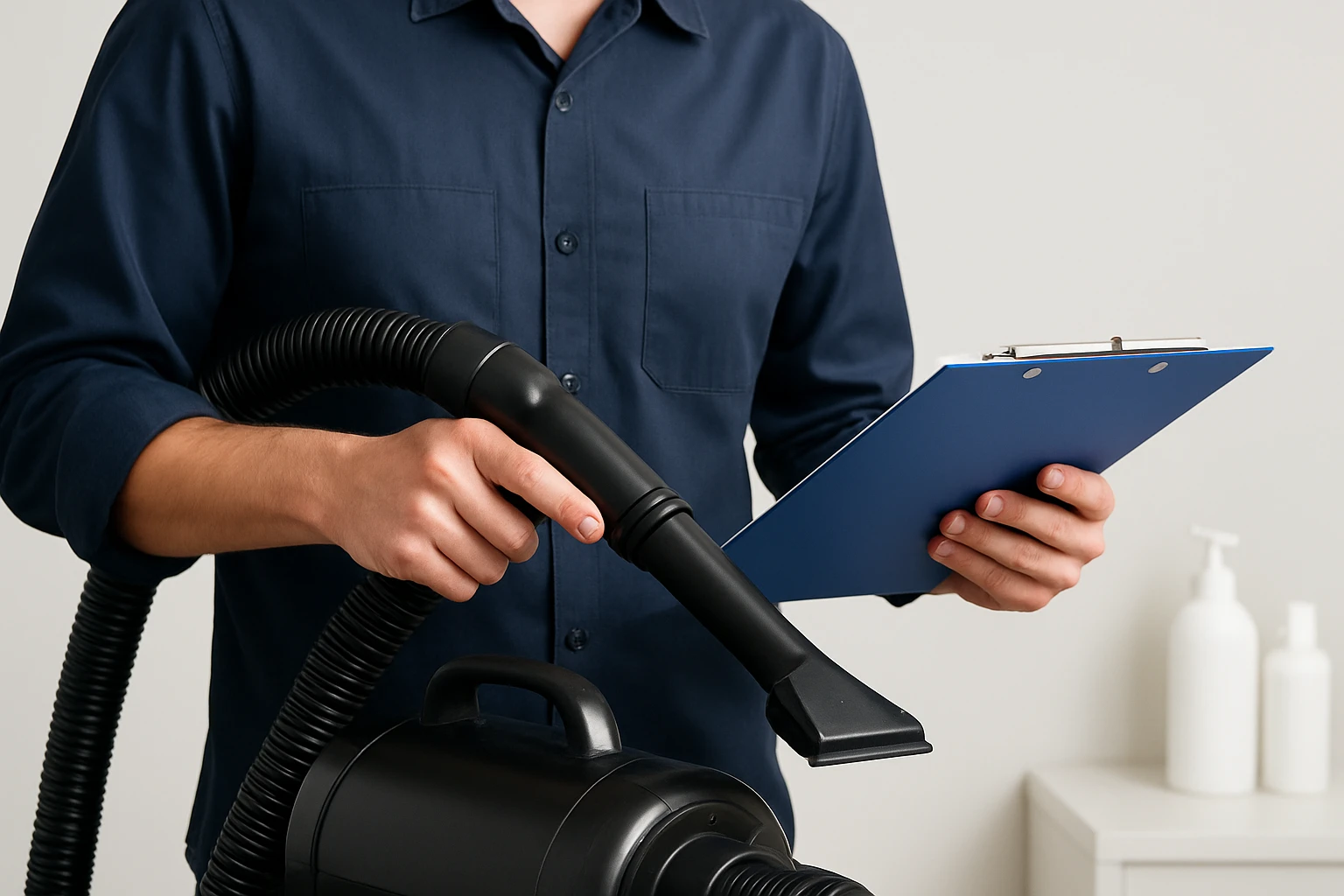

Vacuum Maintenance Checklist for Pet Groomers: The Ultimate Guide to Keeping Your Salon Fur‑Free and Equipment Running Smoothly
Introduction
Pet grooming salons rely heavily on high‑performance vacuums to remove hair, dander, and debris from workstations, drying areas, and waiting rooms. This guide explains the essential maintenance tasks that keep vacuums operating at peak efficiency, reduces downtime, and creates a healthier environment for both clients and staff. Readers will learn foundational concepts, practical strategies, product recommendations, and a printable checklist that can be integrated into daily salon routines.
The information presented is based on industry standards, manufacturer specifications, and real‑world experience from professional groomers. By following the recommendations, salon owners can extend the lifespan of their equipment, improve cleaning results, and protect their investment.
Background and Context
Pet hair is notoriously difficult to capture because it is lightweight, static‑charged, and often tangled with moisture from baths. Vacuums designed for residential use may struggle with the volume and density of fur generated in a grooming environment. Therefore, understanding airflow dynamics, filter efficiency, and dust‑container capacity is critical before implementing a maintenance program.
Airflow is measured in watts or cubic feet per minute (CFM). Higher wattage indicates stronger suction, which translates to better hair capture. Filters—whether HEPA, foam, or washable—play a pivotal role in trapping microscopic allergens. When filters become clogged, suction drops, motor strain increases, and the risk of overheating rises.
In addition to performance, safety regulations require that salons maintain clean air to prevent cross‑contamination between animals. Regular vacuum maintenance therefore supports both operational efficiency and compliance with health standards.
Core Maintenance Tasks
Effective vacuum upkeep can be divided into daily, weekly, and monthly tasks. Each frequency addresses a specific wear pattern and ensures consistent performance.
- Daily: Empty the dust container, inspect the brush roll for hair entanglement, and wipe the exterior surface.
- Weekly: Clean or rinse washable filters, check the hose for blockages, and test the automatic cord rewind mechanism.
- Monthly: Perform a deep‑clean of the motor vent, lubricate swivel steering joints, and verify the integrity of the power cord.
These tasks should be recorded on a maintenance log to track trends and anticipate component replacement.
Choosing the Right Vacuum for a Grooming Salon
Not every vacuum is suitable for a high‑traffic grooming environment. The following sections compare three products that address different aspects of salon cleaning.
1. Lightweight Multi‑Surface Performance
The Eureka WhirlWind Vacuum offers 960 watts of suction, a 2.5 L bagless dust container, and an integrated airflow control that switches between carpet and hard‑floor modes. Its swivel steering and telescopic metal wand enable easy maneuvering around grooming tables and drying stations. With a 16‑foot cord and automatic rewind, the unit reduces the need for frequent cord handling.
Key specifications include:
- Power: 960 W
- Dust capacity: 2.5 L (no bags required)
- Weight: 8.15 lb
- Rating: 4.3 / 5 from 30,169 reviews
For salons that prioritize mobility and quick surface changes, this vacuum provides reliable suction without the recurring cost of replacement bags.
2. Space‑Saving Storage Solutions
After cleaning, salon staff often need to store blankets, towels, and grooming coats in limited back‑room space. The FYGRIP Vacuum Storage Bags compress textiles up to 80 % of their original volume, protecting them from dust and moisture.
Features include a double‑zipper seal, a triple‑seal one‑way valve, and a portable hand pump for on‑the‑go compression. The 20‑piece combo offers four sizes, allowing staff to match each bag to the item being stored.
- Material: Thick, durable plastic
- Space reduction: Up to 80 %
- Rating: 4.4 / 5 from 6,485 reviews
- Price: $19.99
Using these bags reduces clutter, improves workflow, and minimizes the risk of cross‑contamination between clients.
3. Reliable Replacement Bags for Canister Vacuums
For salons that already own a canister vacuum, the Kenmore Vacuum Bags provide a high‑efficiency filtration solution. Each bag filters 99.97 % of particles down to 0.03 microns, ensuring that allergens are trapped and not released back into the salon air.
Additional benefits include a sealing closure collar system that prevents dust leakage, a large 221‑ounce capacity that lasts up to three months, and easy tool‑free installation.
- Compatibility: Kenmore C/Q 5055 series and many other models
- Filtration efficiency: 99.97 %
- Rating: 4.8 / 5 from 1,155 reviews
- Price: $13.48 for 15 bags
These bags are ideal for groomers who need consistent suction and want to avoid the mess of disposable bags that tear easily.
Comparison and Selection Guide
When selecting equipment for a grooming salon, consider the following criteria:
| Criterion | Eureka WhirlWind Vacuum | FYGRIP Storage Bags | Kenmore Vacuum Bags |
|---|---|---|---|
| Primary Function | Live cleaning of carpets, hard floors, and upholstery | Compress and protect textiles | Filter dust for canister vacuums |
| Cost per Unit | $57.99 | $19.99 | $13.48 (15‑pack) |
| Maintenance Frequency | Weekly filter rinse, daily dust cup empty | Occasional re‑compression | Replace when two‑thirds full |
| Customer Rating | 4.3 / 5 | 4.4 / 5 | 4.8 / 5 |
| Best For | Mobile grooming stations, small to medium salons | Space‑constrained storage rooms | Existing Kenmore canister vacuums |
Salon owners should match the product to the specific need: a versatile vacuum for daily cleaning, storage bags for efficient inventory management, and high‑efficiency filter bags for long‑term air quality.
Best Practices & Tips for Ongoing Success
- Create a Standard Operating Procedure (SOP): Document each maintenance step, assign responsibility, and schedule reminders in the salon management software.
- Use the Correct Filter Type: For pet hair, a washable foam filter reduces replacement costs, while a HEPA filter is essential for allergen‑sensitive clients.
- Inspect Brush Rolls Daily: Remove tangled hair before it wraps around the motor shaft, which can cause overheating.
- Maintain Cord Integrity: Check the cord for frays or cuts weekly; replace immediately to avoid electrical hazards.
- Store Vacuums Properly: Keep the unit upright, avoid exposure to moisture, and use the FYGRIP Vacuum Storage Bags for blankets and towels to prevent mildew.
- Rotate Cleaning Zones: Alternate cleaning areas each day to distribute wear evenly across the vacuum’s brush and motor.
- Track Performance Metrics: Measure suction power with a simple gauge after each filter change; a drop of more than 15 % indicates the need for deeper cleaning.
Implementing these practices reduces unexpected breakdowns and extends the useful life of the equipment by up to 30 %.
Frequently Asked Questions
- How often should I replace the bagless dust container filter on the Eureka WhirlWind?
- Rinse the filter weekly if the salon handles heavy shedding breeds; replace it every six months or when suction noticeably declines.
- Can I use the FYGRIP storage bags for wet items such as damp towels?
- Yes, the bags are designed to handle moisture, but ensure the one‑way valve is fully sealed to prevent mold growth.
- Are the Kenmore Vacuum Bags compatible with other brands?
- They are primarily designed for Kenmore C/Q series, but the sealing collar system works with many generic canister models that use a similar bag size.
- What is the best way to clean the brush roll on a canister vacuum?
- Detach the brush roll, remove hair manually, and rinse under warm water. Allow it to dry completely before re‑installing.
- Is it safe to operate a vacuum with a partially clogged filter?
- No. A clogged filter reduces suction, increases motor load, and can cause overheating, which shortens the vacuum’s lifespan.
- How can I verify that my vacuum is maintaining proper airflow?
- Use a simple airflow meter or feel the suction at the nozzle; a noticeable drop indicates filter or hose blockage.
Conclusion
Maintaining vacuum equipment is a critical component of a pet grooming salon’s operational efficiency and client satisfaction. By following the daily, weekly, and monthly checklist, selecting appropriate tools such as the Eureka WhirlWind Vacuum, employing FYGRIP Vacuum Storage Bags for textile management, and using high‑efficiency Kenmore Vacuum Bags, salon owners can ensure a fur‑free environment, reduce equipment downtime, and protect the health of both animals and staff.
Implement the checklist, train staff, and monitor performance metrics to achieve consistent cleaning results and long‑term cost savings.
Products Featured in This Guide
Eureka WhirlWind Vacuum
Price: $57.99
Rating: 4.3/5 (30,169 reviews)
Featured because it provides powerful suction, lightweight maneuverability, and a bagless design ideal for daily salon cleaning.
FYGRIP Vacuum Storage Bags
Price: $19.99
Rating: 4.4/5 (6,485 reviews)
Featured because they reduce storage volume by up to 80 % and protect linens from dust and moisture, improving salon organization.
Kenmore Vacuum Bags
Price: $13.48 (15‑pack)
Rating: 4.8/5 (1,155 reviews)
Featured because they offer 99.97 % filtration efficiency, a large capacity, and an easy‑install sealing system for canister vacuums.

