
How to Desensitize Your Anxious Dog to Vacuum Noise: A Step-by-Step Plan to Reduce Anxiety
Introduction
Many dog owners discover that the sound of a household vacuum can trigger intense fear, trembling, and attempts to escape. Understanding the underlying causes of this reaction enables owners to implement a systematic desensitization program that reduces anxiety and restores confidence. This guide will teach the reader how to assess the dog’s current response, create a controlled exposure environment, and gradually increase tolerance while using proven calming tools. By following the plan, one can transform a stressful cleaning routine into a calm, manageable activity for both pet and owner.
The approach combines behavioral conditioning with supportive products, ensuring that each step respects the dog’s emotional state and physical comfort. Readers will learn practical techniques that require only modest time investment and common household items, plus optional tools that enhance success rates. The result is a dog that remains relaxed even when the vacuum is turned on, allowing regular cleaning without disruption.
What You’ll Need
- Quiet room or space where the dog feels safe
- Portable speaker or smartphone for playback of recorded vacuum sounds
- Treats for positive reinforcement (high‑value, low‑calorie)
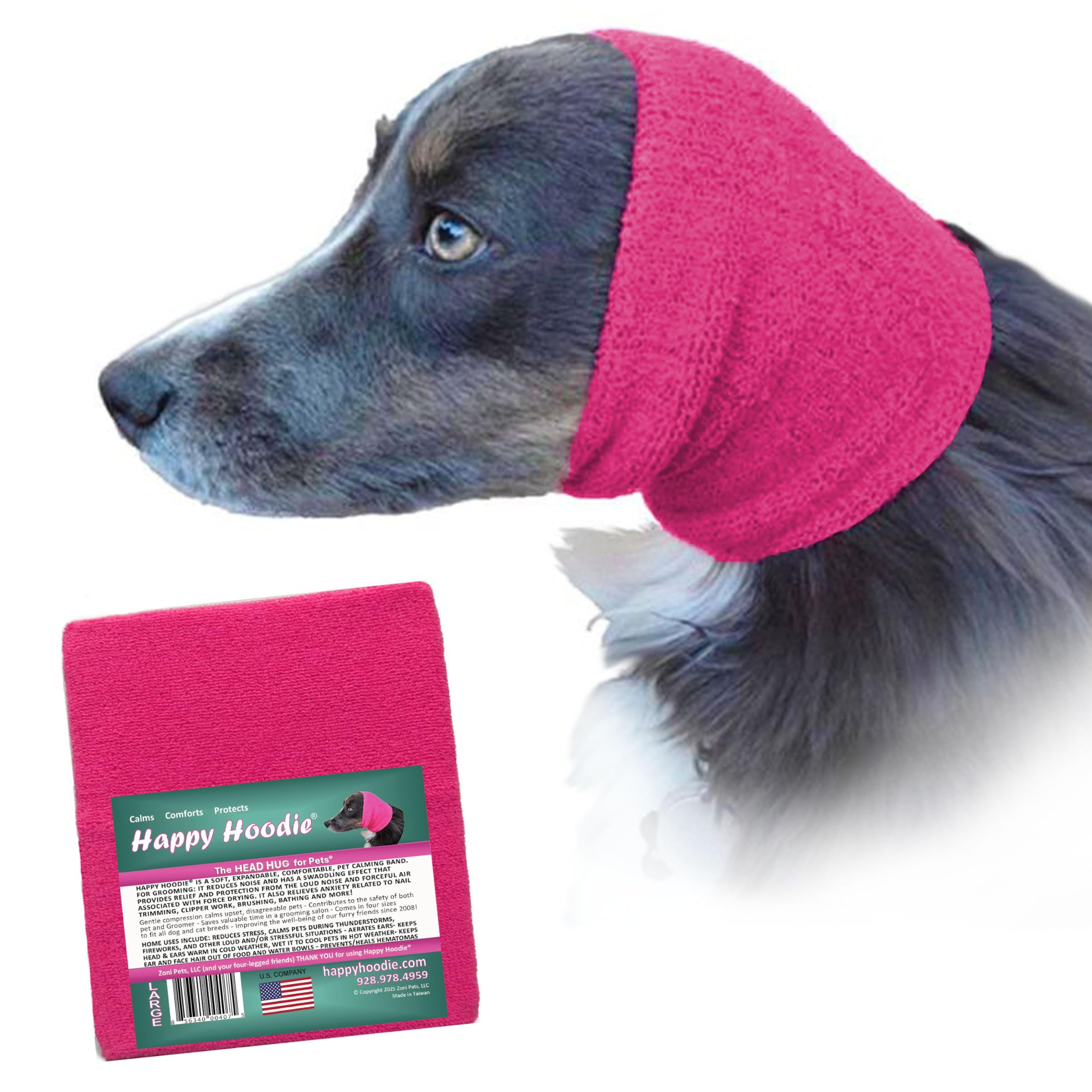
- Happy Hoodie Pet Calming Band – optional noise‑reduction accessory
- STRELLALAB Dog Calming Chews – optional oral calming supplement
- Timer or stopwatch
Step 1: Assess Your Dog’s Baseline Reaction
Begin by observing the dog’s natural response when the vacuum is turned on from a distance of at least ten feet. Note body language such as tail tucking, lip licking, pacing, or attempts to hide, and record the duration of the reaction. This baseline measurement provides a reference point for tracking progress and adjusting exposure levels. Use a notebook or digital app to log observations, including the time of day, environment temperature, and any preceding activities that may influence stress levels.
If the dog exhibits severe panic, consider consulting a veterinarian before proceeding, as underlying medical conditions can exacerbate fear responses. A professional assessment can also help determine whether a calming supplement is appropriate for the individual animal.
Step 2: Introduce the Happy Hoodie Pet Calming Band for Noise Reduction
Before exposing the dog to any recorded vacuum noise, place the Happy Hoodie Pet Calming Band over the ears, ensuring a snug but comfortable fit. The band creates gentle compression that blocks a portion of the sound pressure, reducing the perceived volume by up to 30 percent. This feature is valuable for dogs that react violently to sudden loud bursts, as it provides a protective barrier while the desensitization process begins.
The Happy Hoodie is made in the United States, costs $12.99, and holds a rating of 4.2 out of 5 stars from 17,661 reviews. Its design is suitable for both small and large breeds, and the fabric is breathable, preventing overheating during extended sessions. By using the band, owners can start exposure at a lower intensity, increasing confidence for both pet and handler.
Step 3: Create a Controlled Audio Environment
Record the vacuum’s sound at the lowest setting or locate a short audio clip online. Play the recording on a speaker set to a volume that is barely audible to the human ear but detectable to the dog. Position the speaker at a distance where the dog remains relaxed, typically across the room. Begin with a duration of five seconds, then pause and reward the dog with a treat for remaining calm.
Repeat this short exposure three to five times per session, ensuring that the dog receives a treat after each successful calm interval. The key principle is “classical conditioning”: the dog learns to associate the previously frightening sound with a positive outcome. Consistency is essential; schedule sessions twice daily for a period of one week before increasing intensity.
Step 4: Gradually Increase Volume and Duration
After the dog tolerates the initial low‑volume exposure, raise the speaker volume by approximately 10 percent and extend the playback to ten seconds. Continue to reward calm behavior immediately after each exposure, using high‑value treats such as small pieces of chicken or cheese. If the dog shows signs of stress, revert to the previous volume and duration before proceeding.
Progression should follow a “step‑wise” model: increase either volume or duration, but not both simultaneously. This method prevents overwhelming the dog and allows precise measurement of the threshold at which anxiety resurfaces. Document each adjustment in the logbook to identify patterns and determine the optimal exposure schedule.
Step 5: Incorporate STRELLALAB Dog Calming Chews for Additional Support
On days when the dog exhibits heightened sensitivity, administer one STRELLALAB Dog Calming Chew approximately thirty minutes before the training session. The chew contains hemp oil and melatonin, which together promote relaxation without causing drowsiness. Its soft, tasty texture encourages voluntary consumption, eliminating the need for forceful pill administration.
Each chew costs $9.97 and carries a rating of 4.4 out of 5 stars from 2,551 reviews, indicating broad satisfaction among pet owners. The product is marketed as an “extra‑strength” formula, suitable for puppies through seniors, making it a versatile addition to a long‑term anxiety‑management plan. By providing a baseline level of calm, the chews enhance the effectiveness of the exposure exercises and reduce the likelihood of regression.
Step 6: Reinforce Calm Behavior in Real‑World Vacuum Use
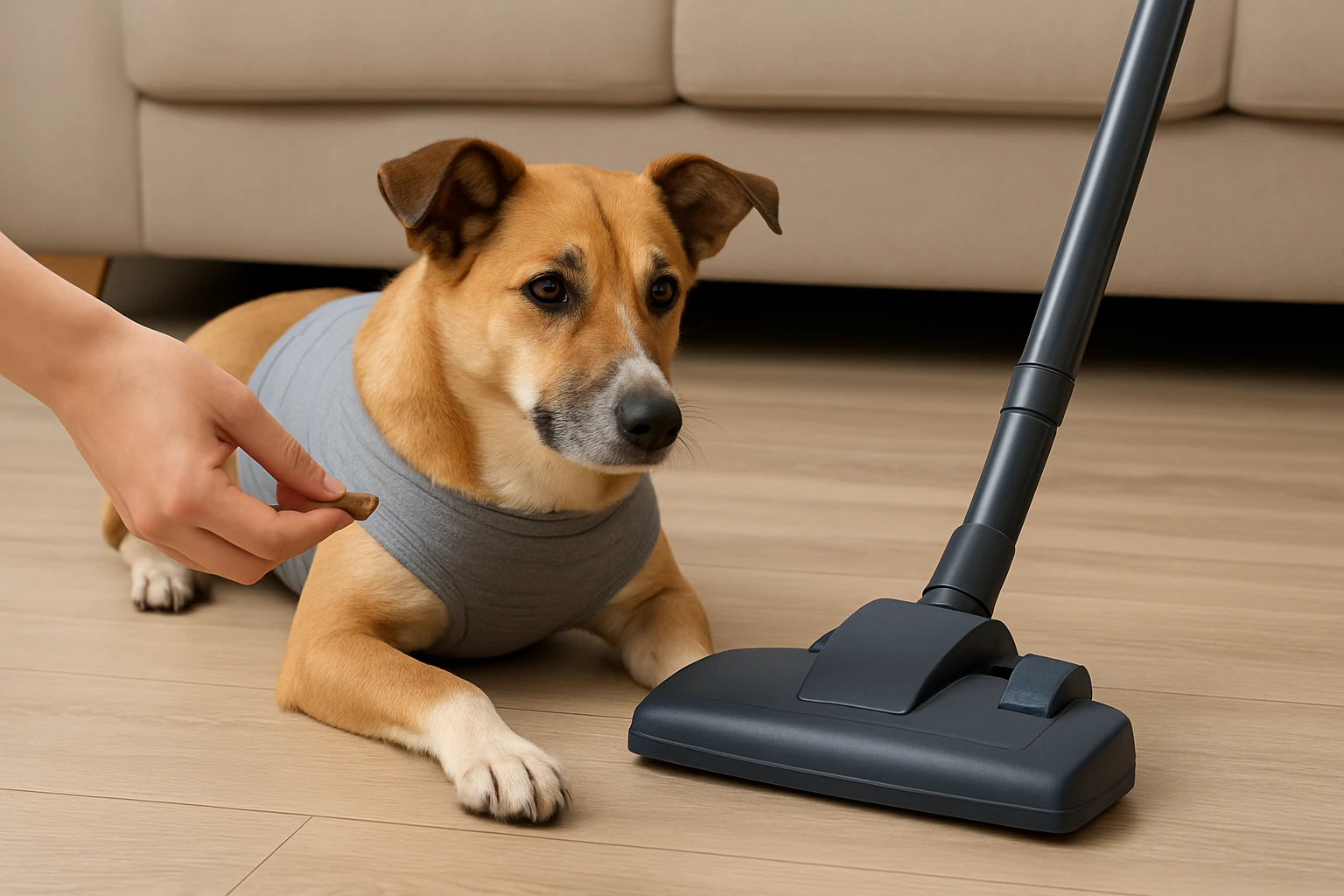
Once the dog tolerates recorded sounds at a volume comparable to the actual vacuum, transition to the real device. Begin by turning the vacuum on in another room while the dog remains in a safe space with the Happy Hoodie on. Reward calm behavior from a distance, gradually moving closer over successive sessions.
When the dog remains composed with the vacuum operating nearby, allow brief supervised exposure in the same room, keeping the device on the lowest setting. Continue to provide treats and verbal praise, and consider offering a calming chew if the session extends beyond fifteen minutes. Over several weeks, the dog should associate the vacuum with a neutral or positive experience rather than fear.
Tips & Pro Tips
- Maintain a consistent training schedule; irregular sessions can confuse the dog and slow progress.
- Use high‑value treats that the dog does not receive at other times to increase motivation.
- Keep sessions short (5‑10 minutes) to prevent fatigue and maintain enthusiasm.
- If the dog shows signs of regression, reduce the volume or duration and re‑establish the baseline before advancing.
- Combine the Happy Hoodie with a calming chew for maximum effect during particularly noisy days.
Troubleshooting
Problem: Dog continues to panic despite low‑volume exposure.
Solution: Verify that the Happy Hoodie is correctly positioned and not too tight; a snug fit is essential for noise reduction. If the band is uncomfortable, pause the session and allow the dog to adjust. Consider adding a calming chew to lower baseline anxiety before resuming exposure.
Problem: Dog refuses to eat the calming chew.
Solution: Break the chew into smaller pieces and mix with a small amount of wet food or a favorite treat. Ensure the chew is fresh, as stale chews may lose palatability.
Conclusion
Desensitizing a dog to vacuum noise requires patience, systematic exposure, and supportive tools that respect the animal’s emotional state. By assessing baseline reactions, using the Happy Hoodie Pet Calming Band for initial noise reduction, gradually increasing sound exposure, and supplementing with STRELLALAB Dog Calming Chews, owners can achieve lasting calm during household cleaning. Consistent practice, positive reinforcement, and careful monitoring will transform a source of fear into a neutral background sound, improving the quality of life for both dog and owner.
Products Mentioned in This Guide
Frequently Asked Questions
Why does my dog react fearfully to the vacuum cleaner?
The loud, sudden sound and vibrations mimic predator cues, triggering a natural fight‑or‑flight response in many dogs.
How can I start a desensitization program for vacuum noise?
Begin by playing a low‑volume recording of the vacuum while rewarding calm behavior, then gradually increase the volume over days.
What role do calming tools like pheromone sprays or anxiety wraps play?
They reduce physiological stress, making it easier for the dog to stay relaxed during exposure sessions.
How often should I practice vacuum desensitization?
Short sessions (2–5 minutes) 2–3 times daily are ideal, with consistent positive reinforcement each time.
When is it safe to use the vacuum at full power around my dog?
Once the dog shows no signs of anxiety at the highest recorded volume, you can switch to the real vacuum and gradually increase cleaning duration.