
How to Build a Seasonal Vacuuming Calendar for Breed‑Specific Shedding (Dogs & Cats)
Introduction
This guide explains how one can develop a systematic vacuuming calendar that aligns with the shedding cycles of specific dog and cat breeds. By understanding seasonal fur loss, owners will minimise hair accumulation, protect interior surfaces, and maintain healthier skin for their pets. The approach combines data‑driven scheduling with practical grooming tools, ensuring both convenience and effectiveness.
Readers will learn to assess breed characteristics, map seasonal variations, create a reusable calendar, and integrate grooming sessions that reduce loose hair before it reaches the floor. The result is a cleaner home environment and a more comfortable living space for pets and people alike.
What You’ll Need
- Notebook or digital spreadsheet for calendar planning
- Wall calendar or printable template
- Vacuum cleaner with HEPA filter
- Pet‑friendly grooming tool such as the GoPets 2‑in‑1 Dematting Comb
- Pet hair collection bags or disposable filters
- Access to breed‑specific shedding information (breed clubs, veterinary resources)
Step 1: Assess Your Breed’s Shedding Pattern
The first step is to identify whether the pet belongs to a high‑shedding, moderate‑shedding, or low‑shedding breed. Research reputable sources such as breed clubs or veterinary publications to determine peak shedding months. For example, double‑coated dogs such as Golden Retrievers and Siberian Huskies typically shed heavily in spring and fall, while short‑haired breeds like Beagles shed more evenly throughout the year. Cats with long fur, such as Maine Coons, experience seasonal bursts similar to dogs.
Document the findings in a simple table, noting months of increased fur loss. This information will become the backbone of the vacuuming calendar.
Step 2: Map Seasonal Climate Influences
Seasonal temperature and humidity directly affect coat cycles. Warmer temperatures trigger undercoat shedding, whereas cooler months may lead to a denser undercoat. Use local climate data to fine‑tune the month‑by‑month expectations established in Step 1. Align the calendar with regional climate patterns rather than generic seasonal labels.
For owners living in regions with mild winters, the shedding peak may shift later in the year. Adjust the table accordingly, ensuring that the schedule reflects the actual environment.
Step 3: Create a Calendar Template
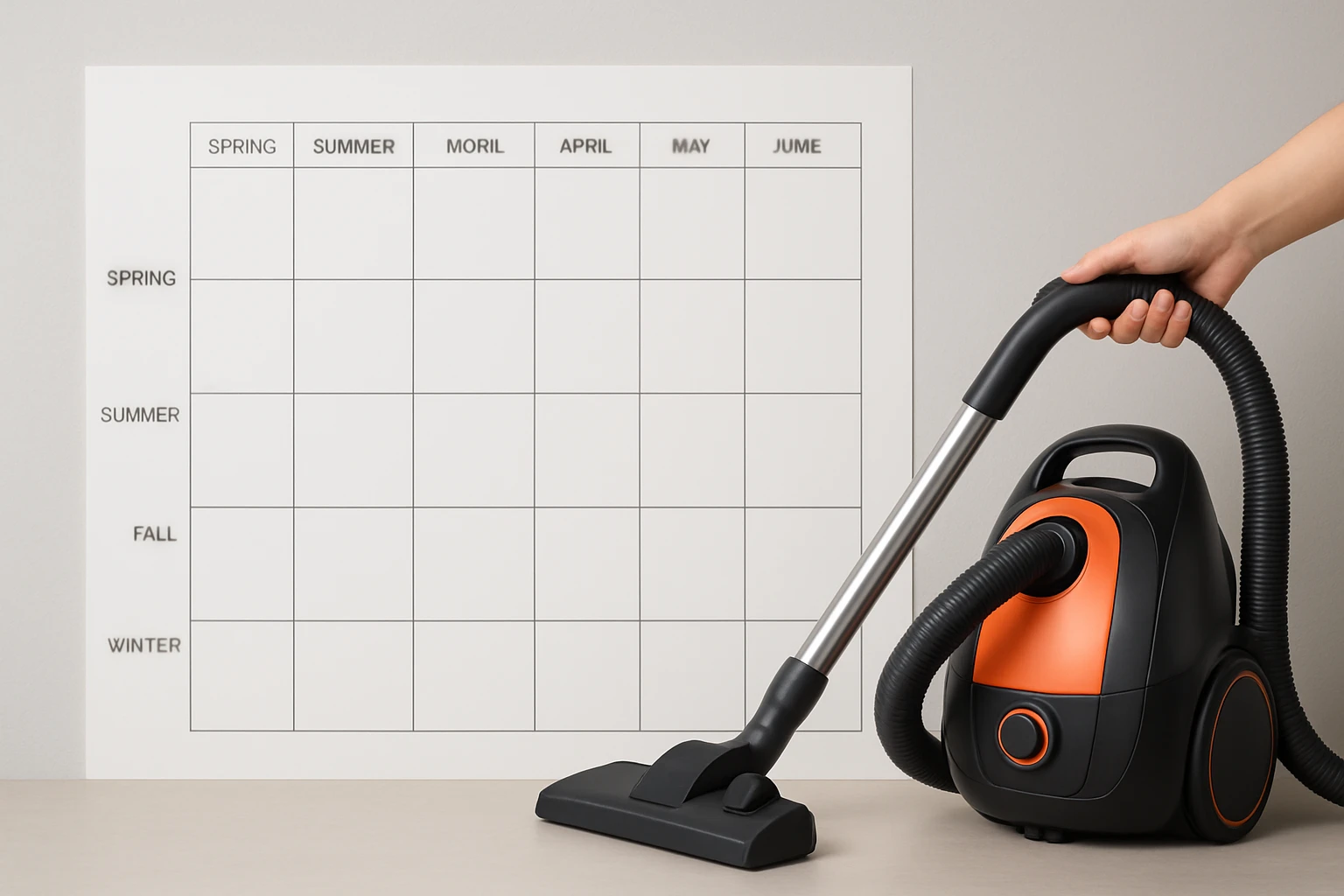
Choose a format that is easy to update—either a printable wall calendar or a digital spreadsheet. Divide each month into weekly blocks, assigning a primary vacuuming day (for example, every Saturday). Highlight weeks that coincide with identified shedding peaks by using a distinct colour or icon.
Include a column for "Grooming Session" beside each vacuuming day. This visual cue reminds owners to groom the pet before the vacuuming run, capturing loose hair at the source.
Save the template and place it in a visible location, such as near the entryway or on a shared family drive, to promote consistency.
Step 4: Integrate Vacuuming Frequency
Based on the shedding intensity, set vacuuming frequency as follows:
- High‑shedding periods: Vacuum twice per week, preferably on days when grooming occurs.
- Moderate‑shedding periods: Vacuum once per week.
- Low‑shedding periods: Vacuum every ten days or as needed.
Choose a vacuum model equipped with a HEPA filter to capture microscopic dander, which benefits allergy‑prone household members. Replace filters or bags regularly, especially after high‑shedding weeks.
Step 5: Schedule Grooming Sessions with the Right Tool
Grooming before vacuuming dramatically reduces the amount of loose hair that reaches the floor. The GoPets 2‑in‑1 Dematting Comb is an ideal tool for this purpose because it combines a 12‑blade dematting side and a 23‑blade deshedding side. The dual‑sided design allows owners to remove mats and undercoat simultaneously, making the process efficient.
Key features that make this comb valuable for the calendar include:
- Versatility: Works on both dogs and cats, covering a wide range of breeds.
- Gentle action: Stainless‑steel blades glide without pulling, reducing stress for anxious or senior pets.
- Ergonomic handle: Non‑slip grip minimises hand fatigue during longer grooming sessions.
- Durability: Rust‑resistant blades ensure long‑term performance.
Price: $49.99. Rating: 4.4 out of 5 stars from 21,306 reviews. These metrics indicate high customer satisfaction and reliable quality.
During each scheduled grooming session, follow these steps:
- Brush the pet with the deshedding side to remove loose undercoat.
- Switch to the dematting side to address any knots or mats.
- Reward the pet with a treat to reinforce a calm grooming experience.
- Immediately after grooming, vacuum the designated area using the previously set frequency.
This systematic approach captures hair before it settles on carpets or upholstery, thereby reducing overall cleaning time.
Step 6: Review and Adjust the Calendar Quarterly
After three months, evaluate the effectiveness of the schedule. Record observations such as the amount of hair collected in the vacuum bag, any increase in pet skin irritation, or changes in household allergy symptoms. Use this data to tweak vacuuming frequency, grooming intensity, or even the choice of grooming tool.
Quarterly adjustments keep the calendar responsive to unexpected climate shifts, health changes in the pet, or new household members.
Tips & Pro Tips
- Use a high‑efficiency vacuum head: Attach a motorised brush roll for carpeted areas to lift embedded hair.
- Maintain consistent grooming times: Pets become accustomed to routine, reducing resistance.
- Rotate grooming tools: Occasionally use a slicker brush to complement the dematting comb, especially for dense undercoats.
- Store the comb dry: Moisture can cause rust, even on stainless steel blades.
- Vacuum in multiple directions: Horizontal and vertical passes ensure thorough hair removal.
Troubleshooting
| Problem | Possible Cause | Solution |
|---|---|---|
| Hair still appears after vacuuming | Vacuum filter clogged | Replace or clean filter; consider a higher‑capacity bag. |
| Pet resists grooming | Tool too aggressive | Use the deshedding side only, or switch to a softer brush. |
| Increased skin irritation | Over‑brushing | Reduce grooming frequency; focus on loose undercoat only. |
Conclusion
By following the six steps outlined above, one can construct a seasonal vacuuming calendar that aligns precisely with a dog’s or cat’s breed‑specific shedding cycle. Integrating the GoPets 2‑in‑1 Dematting Comb into the grooming routine maximises hair removal at the source, lessening the burden on vacuuming equipment and improving overall household cleanliness. Regular review ensures the system adapts to changing conditions, delivering lasting benefits for both pets and owners.
Products Mentioned in This Guide
Frequently Asked Questions
How do I determine the shedding season for my dog or cat breed?
Research breed-specific shedding patterns online or consult a vet, then note the months when fur loss peaks to schedule extra vacuuming.
What tools are essential for creating a seasonal vacuuming calendar?
A notebook or spreadsheet, a wall calendar or printable template, a HEPA‑filter vacuum, and a pet‑friendly grooming tool such as the GoPets 2‑in‑1 Dematting Comb.
How often should I vacuum during peak shedding periods?
Vacuum high‑traffic areas at least twice a week during peak months, and once a week during low‑shedding periods.
Can grooming reduce the amount of hair that reaches the floor?
Yes, regular brushing with a dematting comb removes loose hair before it falls, decreasing vacuuming workload.
How can I make the vacuuming calendar reusable each year?
Create a template with breed‑specific dates, save it digitally, and simply update the year’s dates annually for consistent scheduling.