How Landlords Set Vacuum Cleaning Requirements in Pet Leases: A Practical, Legally Compliant Guide
Introduction
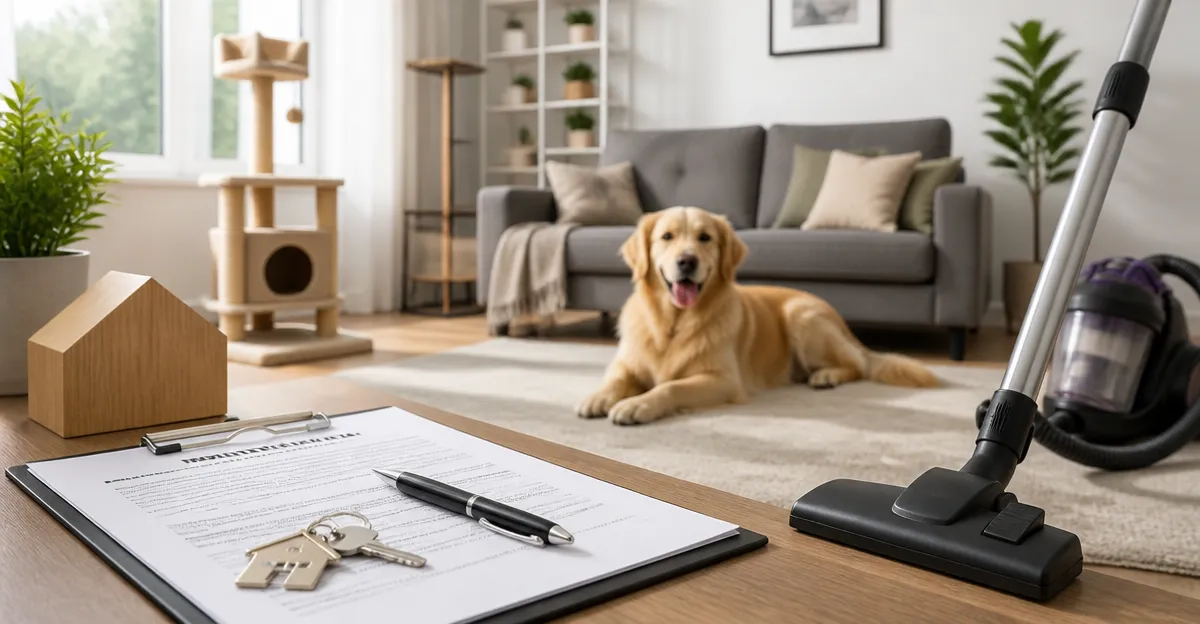
Landlords who allow pets must balance tenant comfort with property preservation. One of the most effective ways to protect flooring, upholstery, and air quality is to establish clear vacuum cleaning requirements in the lease. This guide explains the legal framework, outlines enforceable standards, and recommends three high‑performance cleaning tools that help tenants meet those standards while minimizing disputes.
Readers will learn how to draft lease language, select appropriate equipment, and document compliance. The information is tailored for residential landlords, property managers, and small‑scale investors who manage pet‑friendly units.
Background and Context
Pet ownership can increase wear and tear, especially when hair, dander, and debris accumulate on hard floors and carpets. Many jurisdictions consider routine cleaning a reasonable duty of the tenant, provided the landlord supplies clear expectations. Courts have upheld lease clauses that require tenants to maintain a "clean and sanitary" condition, as long as the requirements are specific, nondiscriminatory, and do not infringe on habitability rights.
In addition, fair‑housing laws protect tenants with assistance animals, making it essential to apply cleaning standards uniformly. Landlords should therefore create policies that are both protective of the property and respectful of tenant rights.
Understanding Lease Language for Vacuum Requirements
Effective lease clauses use precise language that defines frequency, method, and acceptable equipment. Example wording might read: "Tenant shall vacuum all hard‑floor surfaces and carpeted areas at least once weekly using a high‑efficiency vacuum that meets the specifications outlined in Exhibit A." This approach sets a measurable standard and references a separate exhibit that lists recommended products.
Key elements to include are:
- Frequency (e.g., weekly, bi‑weekly)
- Coverage areas (hard floors, carpets, upholstery)
- Performance criteria (minimum wattage, filtration rating)
- Documentation (tenant must provide a cleaning log or receipts)
By embedding these details, landlords reduce ambiguity and create a defensible basis for enforcement.
Establishing Acceptable Cleaning Standards
Standards should reflect the type of flooring and the level of pet activity. For hardwood or tile, a vacuum with strong suction and a brush‑roll that can capture fine hair is essential. For carpeted areas, high‑efficiency particulate air (HEPA) filtration helps remove dander that can trigger allergies.
Landlords may also require tenants to use touchless or automatic vacuums to encourage consistent use. The following product recommendations satisfy these criteria while offering professional‑grade performance.
Integrating Product Recommendations
Providing tenants with a curated list of approved vacuums simplifies compliance and reduces the likelihood of substandard equipment. The three products below have been selected for their power, filtration efficiency, and ease of use in pet‑friendly environments.
1. EyeVac Pro Touchless Vacuum
The EyeVac Pro Touchless Vacuum delivers 1400 W of suction, making it capable of removing pet hair, food crumbs, and fine dust from all hard‑floor surfaces. Infrared sensors activate the unit automatically when a broom or dustpan is swept beneath it, encouraging tenants to clean without bending. Its three‑stage filtration system captures particles as small as a quarter‑inch, returning cleaner air to the home.
Key specifications include a 6‑foot power cord for flexible placement, bagless design for easy disposal, and a compact canister that fits under most cabinets. The unit is marketed as a professional‑grade solution for salons and pet groomers, indicating durability for high‑traffic rentals.
2. VIVOHOME Vacuum Pump & Gauge Kit
While not a traditional household vacuum, the VIVOHOME Vacuum Pump & Gauge Kit is invaluable for landlords who manage HVAC systems that circulate air through filters. This kit includes a 4 CFM single‑stage rotary vane pump, a complete manifold gauge set, and a leak detector, enabling tenants to evacuate moisture from refrigerant lines before recharging.
Maintaining a dry, contaminant‑free HVAC system reduces the redistribution of pet dander throughout the unit. The kit’s die‑cast aluminum body, built‑in cooling fan, and clear oil sight glass ensure reliable, continuous operation, making it suitable for both DIY landlords and professional service technicians.
3. OVO Central Vacuum System
The OVO Central Vacuum System offers 700 Airwatts of power and a 30‑foot dual‑voltage hose, providing whole‑home coverage for up to 7,000 sq ft. Its hybrid filtration allows tenants to use either a disposable triple‑layer bag (included) or a washable permanent filter, meeting diverse preferences and environmental concerns.
Rated 4.7/5.0 based on three reviews, the system incorporates a silent motor and soft‑start technology that prolongs motor life by 20 %. For landlords with multiple units, a central system reduces the need for individual portable vacuums, lowering long‑term maintenance costs.
Comparison/Selection Guide
| Feature | EyeVac Pro Touchless Vacuum | VIVOHOME Vacuum Pump & Gauge Kit | OVO Central Vacuum System |
|---|---|---|---|
| Primary Use | Hard‑floor cleaning in single‑unit residences | HVAC refrigerant evacuation and leak detection | Whole‑home central vacuum for large properties |
| Power (W/CFM) | 1400 W | 4 CFM pump | 700 Airwatts |
| Filtration | 3‑stage high‑efficiency filters | Not applicable (pump) | Hybrid (disposable bag or washable filter) |
| Price (USD) | $79.99 | $179.99 | $749.99 |
| Rating | Not listed | Not listed | 4.7/5.0 (3 reviews) |
| Best For | Tenants needing quick, touchless cleaning | Landlords maintaining HVAC efficiency | Properties with multiple units or large floor plans |
Landlords should match the product to the property size and tenant responsibilities. For a single‑family home with hardwood floors, the EyeVac provides a cost‑effective, user‑friendly solution. For multi‑unit buildings with central air, the OVO system offers comprehensive coverage, while the VIVOHOME kit ensures the HVAC system does not re‑introduce pet allergens.
Best Practices & Tips
- Include a detailed cleaning schedule in the lease addendum, specifying the minimum vacuum frequency.
- Provide tenants with a printable checklist that references the approved products and their key settings (e.g., power level, filter replacement interval).
- Conduct a move‑in inspection and document the condition of flooring and HVAC filters; repeat the inspection at move‑out to compare.
- Offer a small stipend or discount for tenants who purchase one of the recommended vacuums, reinforcing compliance.
- Maintain records of any cleaning‑related complaints and follow a consistent enforcement protocol, such as written notices before charging a cleaning fee.
By integrating these practices, landlords create a transparent environment that encourages tenants to uphold cleanliness standards without feeling penalized.
Frequently Asked Questions
1. Can I require a specific brand of vacuum?
Yes, provided the requirement is reasonable, non‑discriminatory, and clearly documented in the lease. The brand must meet performance criteria that protect the property; otherwise, the clause could be deemed arbitrary.
2. How often should tenants replace vacuum filters?
For high‑efficiency filters, a replacement or cleaning schedule of every 3‑6 months is typical, depending on pet density. Landlords can stipulate this in the lease and provide a log for tenants to record filter changes.
3. What if a tenant refuses to purchase the recommended vacuum?
The lease may allow the landlord to supply an approved unit and deduct the cost from the security deposit, as long as the deduction is reasonable and documented.
4. Are there tax implications for providing cleaning equipment?
Providing equipment can be treated as a capital improvement or a repair expense, depending on the jurisdiction. Consult a tax professional to determine the appropriate classification.
5. How does HVAC maintenance relate to pet cleaning requirements?
Pet dander circulates through the HVAC system, potentially clogging filters and reducing air quality. Using a tool like the VIVOHOME Vacuum Pump & Gauge Kit to evacuate moisture and ensure proper refrigerant levels helps maintain system efficiency and prevents dander buildup.
6. What legal recourse do I have if a tenant damages flooring despite cleaning?
Document the damage with photos, obtain repair estimates, and issue a written notice referencing the lease clause. If the tenant does not respond, the landlord may deduct repair costs from the security deposit or pursue a small claims action.
Conclusion
Setting clear, enforceable vacuum cleaning requirements in pet leases protects both property value and tenant health. By drafting precise lease language, offering vetted equipment such as the EyeVac Pro Touchless Vacuum, and maintaining consistent documentation, landlords can minimize disputes and ensure a clean, allergen‑free environment.
Implement the best‑practice checklist, select the appropriate cleaning tools for your property size, and communicate expectations openly with tenants. This proactive approach fosters goodwill while safeguarding your investment.
Products Featured in This Guide
EyeVac Pro Touchless Vacuum
Price: $79.99
Why featured: Provides 1400 W power, touchless operation, and three‑stage filtration ideal for pet‑hair removal on hard floors.
VIVOHOME Vacuum Pump & Gauge Kit
Price: $179.99
Why featured: Enables landlords and tenants to maintain HVAC systems free of pet‑related moisture and contaminants, supporting overall indoor air quality.
OVO Central Vacuum System
Price: $749.99
Rating: 4.7/5.0 (3 reviews)
Why featured: Offers whole‑home, high‑capacity cleaning with hybrid filtration, suitable for large rental properties and multi‑unit buildings.