
Introduction
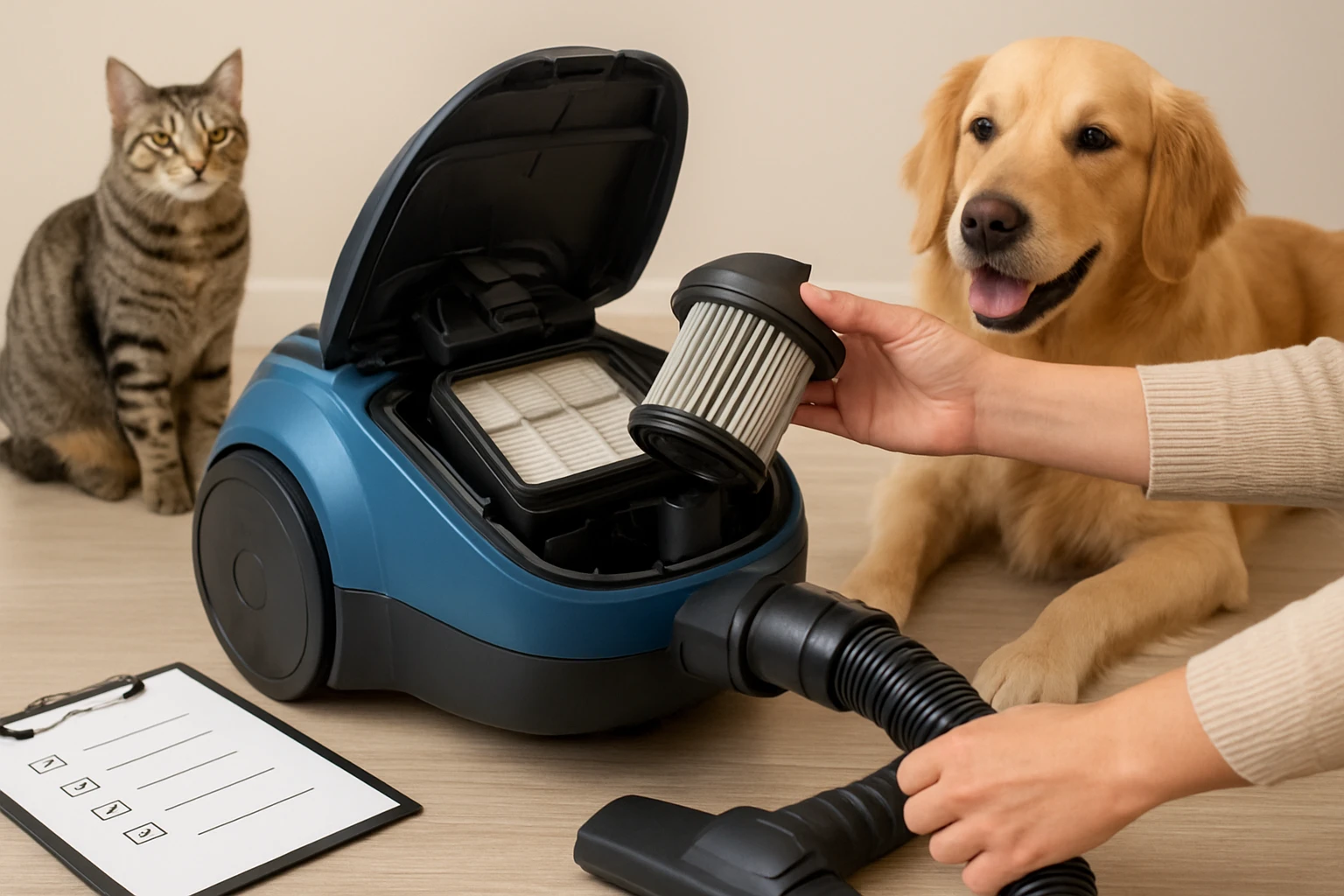
Pet owners understand that a vacuum must endure constant exposure to fur, dander, and occasional odors. This guide explains how to preserve optimal suction, prevent clogs, and eliminate lingering smells in a multi‑pet household. Readers will learn a systematic maintenance checklist, discover essential tools, and gain confidence to extend the life of their cleaning equipment. By following the procedures, one can reduce downtime, avoid costly repairs, and maintain a healthier indoor environment for both people and animals.
What You'll Need
- Soft microfiber cleaning cloths
- Fine‑toothed brush for brush‑roll cleaning
- Replacement filters or washable filter cleaning solution
- Vacuum bag or empty dust‑cup (as applicable)
- Protective gloves
- Access to a sink or basin for rinsing components
Optional tools that streamline the process are listed in the step‑by‑step section and include the Eureka PowerSpeed Upright Vacuum, Bissell CleanView Swivel Pet Vacuum, and Bissell MultiClean Lift‑Off Pet Vacuum. These models provide features that simplify routine upkeep.
1. Prepare the Vacuum for Maintenance
Begin by disconnecting the vacuum from any power source. If the unit is cordless, remove the battery pack according to the manufacturer's instructions. Place the vacuum on a stable surface where all components are easily accessible. This precaution prevents accidental activation and protects the user from sharp edges.
Next, gather the cleaning supplies listed above. Having everything within arm's reach reduces the time the vacuum remains disassembled, which in turn limits exposure of internal parts to dust. Finally, consult the user manual for model‑specific warnings, especially regarding brush‑roll belt replacement intervals.
2. Empty and Clean the Dust Collection System
The first functional component to address is the dust cup or bag. For bagless models such as the Eureka PowerSpeed Upright Vacuum, press the release latch and gently tap the container over a trash bin. The 2.6 L capacity reduces the frequency of emptying, yet regular disposal prevents odor buildup.
For bagged vacuums, replace the bag when it reaches the three‑quarter full mark. The replacement cost is minimal compared with the expense of a clogged motor. After emptying, wipe the interior of the cup or bag chamber with a damp microfiber cloth. Ensure the surface is dry before reassembly to avoid moisture‑related mold.
Why this vacuum is useful: the Eureka model offers a large, easy‑empty dust cup, lightweight construction (10 lb), and a washable filter, making routine cleaning straightforward. It holds a 4.2‑star rating from over 5,600 reviewers and is priced at $69.59, providing excellent value for a pet‑friendly vacuum.
3. Inspect and Clean the Brush Roll and Belt
Hair wrap is the most common cause of reduced suction in pet homes. Remove the brush roll according to the manufacturer's guide; most units feature a quick‑release tab. Use a fine‑toothed brush to dislodge tangled fur, paying special attention to the central roller and side bristles.
Check the drive belt for wear or cracks. If the belt appears frayed, replace it promptly to avoid motor strain. The Bissell CleanView Swivel Pet Vacuum includes a robust belt system designed for continuous pet‑hair removal. Its swivel steering enhances maneuverability around furniture, allowing thorough brush‑roll access.
Why this vacuum is useful: Bissell CleanView carries a 4.5‑star rating from more than 103,000 reviewers, is priced at $139.99, and incorporates a triple‑action brush roll that lifts embedded hair while minimizing clogs. The swivel steering reduces the effort required to reach under low‑lying items, making brush‑roll cleaning more efficient.
4. Clean or Replace Filters
Filters capture fine dust and allergens that would otherwise re‑enter the indoor air. Locate the primary filter—often a foam or HEPA element—and remove it. If the filter is washable, rinse it under lukewarm water until the runoff is clear. Allow the filter to air‑dry completely for at least 24 hours before reinstalling.
For non‑washable filters, compare the cost of replacement with the frequency of cleaning. The Bissell MultiClean Lift‑Off Pet Vacuum features a sealed HEPA system that traps 99.97 % of dust particles. Its detachable canister design simplifies filter access, and the LED headlights illuminate hidden debris, ensuring thorough cleaning of the filter housing.
Why this vacuum is useful: Bissell MultiClean holds a 4.3‑star rating from over 10,900 reviewers, costs $209.99, and offers a tangle‑free brush roll combined with a HEPA‑sealed allergen system. These features reduce the need for frequent filter changes while delivering superior air quality.
5. Address Odors and Stagnant Moisture
Pet homes may develop lingering odors within the vacuum housing. After cleaning the dust cup and filters, spray a light mist of an odor‑neutralizing solution onto a clean cloth and wipe the interior surfaces. Avoid direct application to electrical components.
Leave the vacuum open in a well‑ventilated area for several hours to allow any residual moisture to evaporate. This practice prevents mold formation and keeps the machine smelling fresh. For models with removable canisters, such as the Bissell MultiClean, detach the canister and allow it to dry separately.
Regular odor control extends the perceived cleanliness of the vacuum and contributes to a healthier living space for both pets and owners.
6. Reassemble and Perform a Test Run
Once all components are dry, reattach the brush roll, reinstall the filter, and secure the dust cup or bag. Reconnect the power source or reinstall the battery. Turn the vacuum on at the lowest suction setting and observe the airflow. A steady, strong suction indicates successful maintenance.
If the vacuum still exhibits reduced performance, revisit the brush‑roll and filter steps or consult the troubleshooting section below. Regular test runs after each maintenance session help identify issues before they become severe.
Tips & Pro Tips
- Schedule a full maintenance session every two weeks to stay ahead of hair accumulation.
- Use a dedicated pet‑hair brush for quick removal of surface fur before each vacuuming session.
- Keep a spare filter on hand for models that use disposable elements; this eliminates downtime.
- When cleaning the brush roll, work from the center outward to release hair efficiently.
- Store the vacuum in a dry, temperature‑controlled area to protect internal electronics.
Warning: Failure to clean the brush roll and belt regularly can cause motor overheating, smoke, or belt breakage. Always follow the manufacturer's recommended cleaning interval.
Troubleshooting
| Problem | Possible Cause | Solution |
|---|---|---|
| Loss of suction | Clogged brush roll or dirty filter | Clean brush roll, wash or replace filter, and empty dust cup. |
| Unusual noises | Worn belt or foreign object in brush roll | Inspect belt for wear, remove any debris, replace belt if needed. |
| Persistent odor | Moisture trapped in housing | Leave vacuum open to dry, clean interior with odor‑neutralizing cloth. |
Conclusion
Maintaining a vacuum in a multi‑pet home requires a disciplined checklist that addresses dust collection, brush‑roll health, filter integrity, and odor control. By following the steps outlined above, one can ensure reliable performance, extend the lifespan of the equipment, and enjoy a cleaner living environment. The recommended tools—Eureka PowerSpeed Upright Vacuum, Bissell CleanView Swivel Pet Vacuum, and Bissell MultiClean Lift‑Off Pet Vacuum—provide features that simplify each maintenance task, yet the guide remains valuable even without purchase.
Products Mentioned in This Guide
Frequently Asked Questions
How often should I clean the vacuum filter in a multi‑pet home?
Clean or replace the filter every 1–2 weeks, or sooner if suction drops, to prevent fur buildup and odors.
What’s the best way to remove pet hair from the brush roll?
Use a fine‑toothed brush or a pair of tweezers to pull hair from the roll, then wipe with a damp microfiber cloth.
Can I wash my vacuum’s dust cup or bag to extend its life?
Yes—empty the dust cup after each use and rinse it with water; replace disposable bags when they’re full.
Which tools help prevent clogs when vacuuming pet hair?
A soft brush for pre‑cleaning carpets and a washable filter solution keep hair from sealing the intake.
How do I eliminate lingering pet odors from my vacuum?
Run the vacuum with a small amount of vinegar‑water solution on the brush roll, then let it dry completely before next use.

