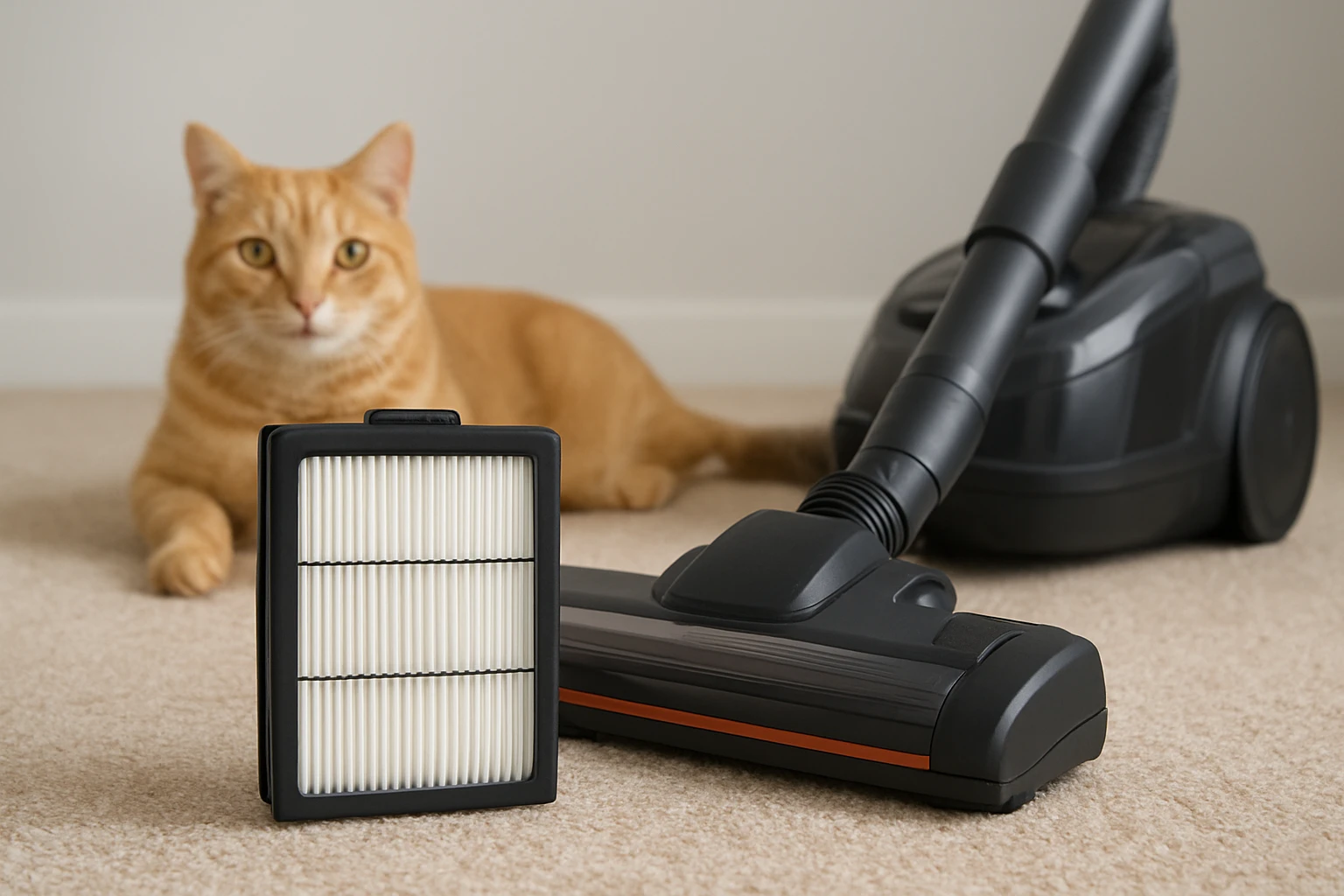
Best Vacuum Filters for Pet Allergies: HEPA vs Sealed System — The Ultimate Guide
Introduction
Pet owners frequently encounter airborne allergens such as dander, pollen, and dust that accumulate on furniture and flooring. This guide explains how vacuum filtration technology mitigates those allergens and helps readers choose the most effective solution for their homes. Readers will learn the scientific basis of HEPA and sealed‑system filters, compare leading products, and receive practical maintenance tips. By the end of the article, one will be equipped to make an informed purchasing decision that protects both human health and pet comfort.
Background and Context
Airborne particles that trigger allergic reactions range in size from several microns down to 0.3 microns. Traditional vacuum bags often allow the smallest particles to escape back into the room, reducing overall indoor air quality. High‑Efficiency Particulate Air (HEPA) filters are designed to capture at least 99.97% of particles as small as 0.3 microns, thereby creating a sealed filtration environment. A sealed‑system vacuum incorporates a combination of pre‑filters, motor‑filters, and a sealed housing that prevents leakage, even when the vacuum is not in use.
Understanding the distinction between these two approaches is essential for pet owners who suffer from asthma, allergic rhinitis, or other respiratory sensitivities. While both systems aim to reduce particulate re‑entrainment, they differ in cost, maintenance requirements, and overall performance. The following sections break down each technology in detail.
HEPA Filtration Explained
HEPA filters consist of densely packed glass fibers that create a maze of pathways for air to travel. As air passes through, particles are trapped by interception, impaction, and diffusion mechanisms. The most critical metric for a HEPA filter is its efficiency rating, commonly expressed as H13 or H14 for commercial‑grade products. For residential vacuum use, a filter rated H12 (99.5% efficiency) provides a solid balance between performance and airflow.
When a vacuum incorporates a true HEPA filter, the device must also feature a sealed housing to prevent bypass leakage. Without a sealed housing, captured particles can escape around the filter edges, negating the benefits of high efficiency. Therefore, consumers should verify that a product advertises both HEPA filtration and a sealed system.
Key advantages of HEPA filtration include:
- Superior capture of microscopic allergens, including pet dander and pollen.
- Reduced risk of cross‑contamination when emptying the vacuum.
- Long‑term health benefits for allergy‑prone individuals.
Potential drawbacks involve higher initial cost and the need for periodic filter replacement to maintain airflow.
Sealed‑System Vacuums Explained
A sealed‑system vacuum employs multiple layers of filtration, typically a pre‑filter, a motor‑filter, and a final HEPA filter. The pre‑filter captures larger debris such as hair and dust, extending the life of the downstream filters. The motor‑filter protects the vacuum’s motor from fine particles, while the final HEPA filter ensures that the exhaust air is virtually particle‑free.
Sealed‑system designs also feature airtight seals at the filter housing, hose connections, and dustbin lid. This architecture prevents unfiltered air from escaping, even when the vacuum is turned off. The result is a cleaner indoor environment and a more consistent suction performance over time.
Advantages of sealed‑system vacuums include:
- Extended suction power due to reduced filter clogging.
- Lower frequency of filter changes when pre‑filters are washable.
- Enhanced durability for heavy‑duty cleaning tasks.
Drawbacks may include a slightly higher learning curve for filter maintenance and the need to purchase compatible filter sets.
Product Recommendations
To illustrate the concepts discussed, three highly rated products are examined. Each product demonstrates a different approach to allergen control and offers unique value for pet owners.
Funmit Shark Navigator Filter Set
The Funmit Shark Navigator Filter Set provides a comprehensive replacement kit for Shark Navigator Lift‑Away models. The package includes two H12‑efficiency HEPA filters, four 60 PPI foam filters, and four ultra‑thick felt filters. With a rating of 4.7 out of 5 stars from 2,361 reviews, the set is praised for restoring suction and reducing airborne dust. Priced at $19.99, it offers a cost‑effective solution for households that already own a compatible Shark vacuum.
Key features include:
- Compatibility with a wide range of Shark Navigator models (NV350‑NV370, UV440‑UV540, etc.).
- Washable and reusable pre‑filters that extend filter life.
- Simple tool‑free installation for quick replacement.
This product is featured because it combines HEPA filtration with a sealed‑system design, making it an ideal choice for pet owners seeking both performance and affordability.
Bissell Febreze 1214 Replacement Filter
The Bissell Febreze 1214 Replacement Filter is designed for Bissell CleanView and PowerGlide Pet vacuums. It incorporates a washable pre‑motor filter that reduces allergens such as tree, grass, and ragweed pollen. The filter also releases a fresh Febreze scent, providing an additional sensory benefit during cleaning. With a rating of 4.7 out of 5 stars from 17,926 reviews and a price of $13.91, it is a popular choice among pet owners who value fragrance and ease of maintenance.
Key features include:
- Washable construction for repeated use.
- Odor‑neutralizing technology that eliminates pet smells.
- Compatibility with multiple Bissell models, including CleanView and PowerGlide series.
This filter is highlighted because it demonstrates how a sealed‑system approach can incorporate odor control, a frequent concern for pet households.
Syxtidy Bissell Pet Hair Eraser Filters
The Syxtidy Bissell Pet Hair Eraser Filters come as a two‑pack set containing two post‑motor filters and four pre‑motor filters. Rated 4.4 out of 5 stars from 1,164 reviews and priced at $15.75, the set offers a cost‑effective way to maintain high suction on Bissell Pet Hair Eraser vacuums. The pre‑motor filters are washable, while the post‑motor filters are replace‑only, providing a balanced maintenance routine.
Key features include:
- High filtration efficiency of 99.9% for particles down to 0.3 microns.
- Washable pre‑motor filters that reduce long‑term expenses.
- Broad compatibility with Bissell 1650 series models.
This product is included because it illustrates a sealed‑system solution that emphasizes high filtration efficiency and reusable components.
Comparison and Selection Guide
When choosing a vacuum filter for pet allergies, consider the following criteria:
| Criterion | HEPA‑Focused Filters | Sealed‑System Filters |
|---|---|---|
| Allergen Capture Efficiency | 99.5%–99.97% for 0.3 µm particles | 99.9% when combined with pre‑filters |
| Cost per Replacement | Higher; typically $15‑$25 | Variable; reusable pre‑filters lower long‑term cost |
| Installation Complexity | Simple for most models | May require multiple filter layers |
| Odor Control | Depends on additional carbon layer | Often integrated, as seen in Bissell Febreze filter |
| Compatibility Range | Model‑specific, often limited to one brand | Broader when using universal pre‑filters |
For households with severe asthma, a true HEPA filter such as the Funmit Shark Navigator Filter Set is recommended. For pet owners who also desire fragrance and lower maintenance, the Bissell Febreze 1214 Replacement Filter provides a sealed‑system advantage with scented cleaning.
Budget‑conscious consumers may prefer the Syxtidy Bissell Pet Hair Eraser Filters, which combine high efficiency with reusable components, extending the interval between purchases.
Best Practices & Tips
To maximize the performance of any vacuum filter, follow these best practices:
- Inspect filters monthly for visible debris and replace or wash as recommended.
- Maintain a regular cleaning schedule for pre‑filters; most manufacturers suggest washing every 3‑6 months.
- Store spare filters in a dry, dust‑free environment to preserve their efficiency.
- When replacing a filter, ensure the vacuum housing seals tightly to prevent air leakage.
- Combine vacuum use with regular carpet cleaning and air‑purifier operation for comprehensive allergen control.
Additionally, consider rotating multiple filter sets so that each has sufficient drying time after washing. This practice prevents mold growth and maintains optimal airflow.
Frequently Asked Questions
1. How often should I replace a HEPA filter in a pet‑friendly home? Most experts recommend replacement every three to six months, depending on usage frequency and the amount of pet hair collected.
2. Can a washable pre‑filter degrade the performance of a HEPA filter? A properly cleaned pre‑filter reduces the load on the HEPA filter, thereby extending its lifespan and preserving suction power.
3. Do sealed‑system vacuums eliminate all odors? While sealed systems prevent particulate escape, odor elimination typically requires an activated‑carbon layer or a scented filter, such as the Febreze‑infused Bissell filter.
4. Is there a noticeable difference in suction between HEPA‑only and sealed‑system vacuums? Sealed‑system vacuums often retain higher suction over time because the multiple filter layers prevent clogging of the motor filter.
5. Are there any health risks associated with handling used filters? Used filters can contain concentrated allergens; it is advisable to wear a mask when removing or disposing of them, especially for individuals with severe sensitivities.
6. Can I use a HEPA filter from one brand in a vacuum of another brand? Compatibility is limited; always verify that the filter model matches the vacuum’s make and series.
7. How does filter efficiency affect indoor air quality? Higher efficiency filters capture more microscopic particles, directly reducing the concentration of airborne allergens and improving overall indoor air quality.
Conclusion
Effective management of pet allergens hinges on selecting the appropriate vacuum filtration system. HEPA filters provide the highest particle capture rates, while sealed‑system vacuums offer layered protection and often incorporate odor‑control features. By evaluating cost, maintenance preferences, and specific household needs, pet owners can choose a solution that delivers cleaner air and a healthier living environment. The products highlighted in this guide exemplify the range of options available, from budget‑friendly reusable sets to premium sealed‑system filters with fragrance technology.
Products Featured in This Guide
Funmit Shark Navigator Filter Set
Price: $19.99 | Rating: 4.7/5 (2,361 reviews)
Featured because it combines H12‑efficiency HEPA filtration with washable pre‑filters, delivering sealed‑system performance for Shark Navigator vacuums at an affordable price.
Bissell Febreze 1214 Replacement Filter
Price: $13.91 | Rating: 4.7/5 (17,926 reviews)
Featured because it provides washable filtration, odor‑neutralizing Febreze fragrance, and broad compatibility with Bissell CleanView and PowerGlide models, addressing both allergen capture and pet odor concerns.
Syxtidy Bissell Pet Hair Eraser Filters
Price: $15.75 | Rating: 4.4/5 (1,164 reviews)
Featured because it offers a high‑efficiency 99.9% filtration rate, reusable pre‑filters, and a cost‑effective two‑pack solution for Bissell 1650 series vacuums.