Introduction
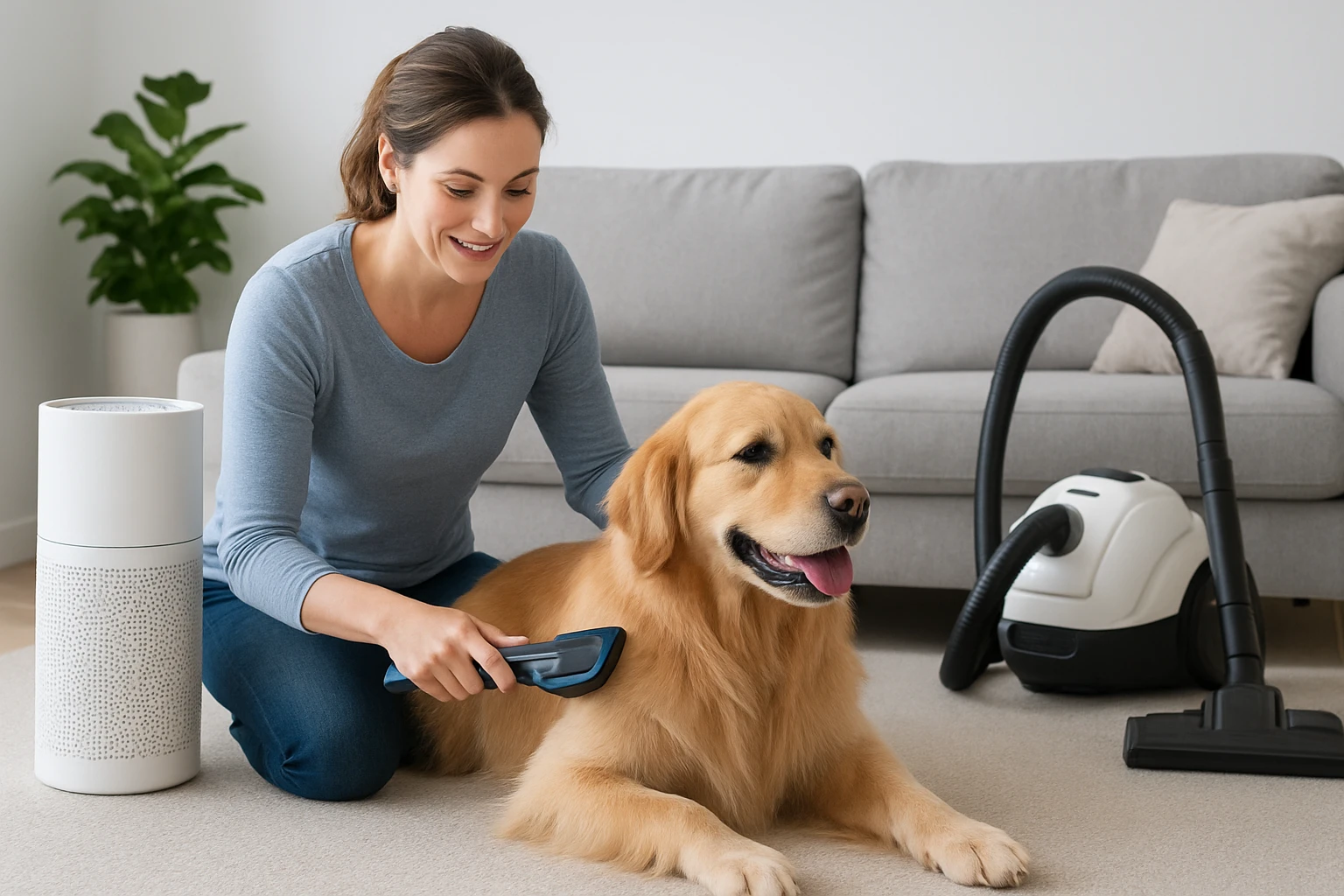
Pet owners frequently confront the challenge of airborne dander that triggers sneezing, itching, and respiratory discomfort. This guide explains ten proven steps that systematically reduce pet hair allergens throughout a living space. Readers will learn practical cleaning routines, environmental adjustments, and strategic product use that together create a healthier indoor environment. By following these instructions, one can enjoy the companionship of pets while minimizing allergic reactions for all household members.
What You’ll Need
- A high‑quality lint roller such as the PetLovers Lint Roller Set for removing hair from clothing and upholstery.
- An efficient air purification device like the LEVOIT Core300 Air Purifier to capture microscopic dander particles.
- Microfiber cleaning cloths, vacuum cleaner with HEPA filter, washable pet bedding, and a schedule planner.
Step 1: Establish a Daily Grooming Routine
Regular grooming removes loose hair before it becomes airborne, reducing the overall allergen load in the home. Use a brush appropriate for the pet’s coat type and perform grooming sessions at least once per day. After brushing, collect the shed hair with a lint‑removing tool. The PetLovers Lint Roller Set provides 270 extra‑sticky sheets that capture even fine fur, making post‑grooming cleanup quick and hygienic.
Each sheet adheres to pet hair more effectively than standard rollers, and the pack supplies a two‑to‑three month supply for continuous use. The product is priced at $9.49, carries a 4.6‑star rating from 37,821 reviewers, and is readily available in stock.
Step 2: Designate Pet‑Free Zones
Creating areas where pets are not allowed prevents dander from accumulating on surfaces where allergic individuals spend most of their time. Common choices include bedrooms, home offices, and the primary living room sofa. Use physical barriers such as baby gates or closed doors to enforce the restriction. In pet‑free zones, dusting and vacuuming become more effective because the air contains fewer hair particles.
When a pet does enter a restricted area, quickly remove any deposited hair with a lint roller. The extra‑sticky adhesive of the PetLovers Lint Roller Set ensures that even the smallest strands are lifted, preserving the cleanliness of the zone.
Step 3: Vacuum with a HEPA‑Equipped Cleaner
A vacuum cleaner equipped with a High‑Efficiency Particulate Air (HEPA) filter traps microscopic dander that would otherwise be released back into the room. Vacuum all carpeted areas, rugs, and upholstered furniture at least twice weekly. Move the vacuum slowly over each section to allow the filter to capture the maximum amount of allergen.
After vacuuming, inspect the vacuum bag or canister for clogs, as a blocked filter reduces efficiency. Replace or clean the HEPA filter according to the manufacturer’s recommendations to maintain optimal performance.
Step 4: Wash Pet Bedding and Soft Toys Regularly
Pet bedding, blankets, and soft toys accumulate dander, skin flakes, and saliva, creating a reservoir of allergens. Wash these items in hot water (at least 130°F) weekly to break down protein particles that trigger allergic reactions. Use a fragrance‑free detergent to avoid adding irritants to the fabric.
Dry the items thoroughly in a high‑heat dryer cycle, as residual moisture can promote mold growth, which compounds allergy symptoms. Store clean bedding in sealed containers to keep dust from settling before the next use.
Step 5: Deploy an Air Purifier in High‑Traffic Areas
Air purifiers equipped with true HEPA filters remove airborne dander, pollen, and dust from the breathing zone. Place the LEVOIT Core300 Air Purifier in the living room or bedroom where pet activity is greatest. The unit covers up to 1,073 square feet and delivers 143 CFM of clean air, refreshing a medium‑size room nearly five times per hour.
The purifier operates quietly at 56 W, and its Sleep Mode reduces noise further for nighttime use. Priced at $84.94, it holds a 4.7‑star rating from 106,752 reviewers, confirming its reliability for allergy relief. Replace the filter every six to eight months to sustain its 99.97 % efficiency for particles as small as 0.1 µm.
Step 6: Use Microfiber Cloths for Surface Cleaning
Microfiber cloths attract and hold pet hair better than traditional cotton rags because of their electrostatic properties. Wipe down hard surfaces, such as countertops, tables, and shelves, at least once daily. Follow a top‑to‑bottom pattern to prevent re‑depositing hair onto cleaned areas.
After each use, rinse the cloth in warm water and allow it to air dry. Avoid fabric softeners, which can reduce the cloth’s ability to attract static‑charged particles.
Step 7: Maintain Proper Humidity Levels
Relative humidity between 40 % and 50 % reduces static electricity, which otherwise causes hair to cling to clothing and furniture. Use a hygrometer to monitor indoor humidity and a humidifier or dehumidifier to adjust levels as needed. Consistent humidity also prevents skin dryness in both pets and humans, reducing shedding.
Do not exceed 60 % humidity, as excessive moisture encourages mold growth, which can exacerbate respiratory symptoms. Regularly clean humidifier reservoirs to prevent bacterial buildup.
Step 8: Implement a Weekly Deep‑Cleaning Schedule
Beyond daily tasks, a weekly deep‑cleaning routine addresses hidden allergen reservoirs. Strip beds, wash curtains, and clean under furniture where hair can accumulate unnoticed. Use the PetLovers Lint Roller Set on fabric surfaces that cannot be laundered, such as car seats or delicate upholstery.
During deep cleaning, operate the LEVOIT Core300 Air Purifier on its highest fan setting to capture dust and hair dislodged by cleaning activities.
Step 9: Choose Pet‑Friendly Flooring Options
Hard flooring, such as tile, laminate, or hardwood, does not trap hair as carpet does, making it easier to keep clean. If carpet is preferred, select low‑pile options that release less hair during foot traffic. Place washable area rugs in high‑traffic zones and clean them regularly.
When selecting flooring, consider materials that are resistant to scratches and moisture, as pets may cause accidental spills. A smooth surface also allows the lint roller to glide more effectively when removing stray hairs.
Step 10: Educate Household Members on Allergy‑Friendly Practices
Consistent adherence to the outlined steps requires cooperation from all occupants. Provide clear instructions on where pets are allowed, how often grooming should occur, and the proper use of cleaning tools. Display a simple checklist in a common area to remind everyone of daily and weekly tasks.
Encourage family members to report any increase in allergy symptoms promptly, as this may indicate a need to adjust cleaning frequency or replace filters.
Tips & Pro Tips
- Rotate the lint roller sheets regularly; a fresh sheet maintains maximum adhesion.
- Place the air purifier near a window or door to improve airflow, but avoid direct sunlight that can overheat the unit.
- Use a vacuum with a motorized brush roll on upholstery to dislodge deeply embedded hair before lint‑rolling.
- Consider adding a pet‑specific air filter cartridge to the purifier for enhanced odor control.
Troubleshooting
Problem: Air purifier emits a faint odor.
Solution: Run the unit on high fan speed for several hours with a clean filter to purge any manufacturing residues. If the odor persists after 48 hours, replace the filter.
Problem: Lint roller sheets tear prematurely.
Solution: Ensure the roller is peeled straight using the directional arrows on the packaging; improper removal can weaken the adhesive backing.
Conclusion
By implementing these ten steps, one can dramatically lower the concentration of pet hair allergens in a home environment. Consistent grooming, strategic use of tools such as the PetLovers Lint Roller Set and the LEVOIT Core300 Air Purifier, and thoughtful household management together create a space where both pets and allergy‑sensitive individuals can thrive.
Continued diligence and periodic review of cleaning schedules will sustain the benefits over time, ensuring that pet companionship remains a source of joy rather than discomfort.
Products Mentioned in This Guide
Frequently Asked Questions
How often should I groom my pet to reduce hair allergens?
Groom your pet daily or at least once a day to remove loose fur and dander before it spreads.
What type of vacuum cleaner is best for pet allergens?
Use a vacuum with a HEPA filter and strong suction to trap microscopic dander and prevent it from recirculating.
Can an air purifier help with pet hair allergens?
Yes, a HEPA‑rated air purifier like the LEVOIT Core300 captures airborne dander and reduces respiratory irritation.
How do microfiber cloths compare to lint rollers for cleaning pet hair?
Microfiber cloths attract and hold static‑charged hair, while lint rollers are ideal for quick removal from clothing and upholstery.
Is washing pet bedding regularly important for allergy control?
Washing pet bedding in hot water weekly removes accumulated dander and keeps allergens at a minimum.