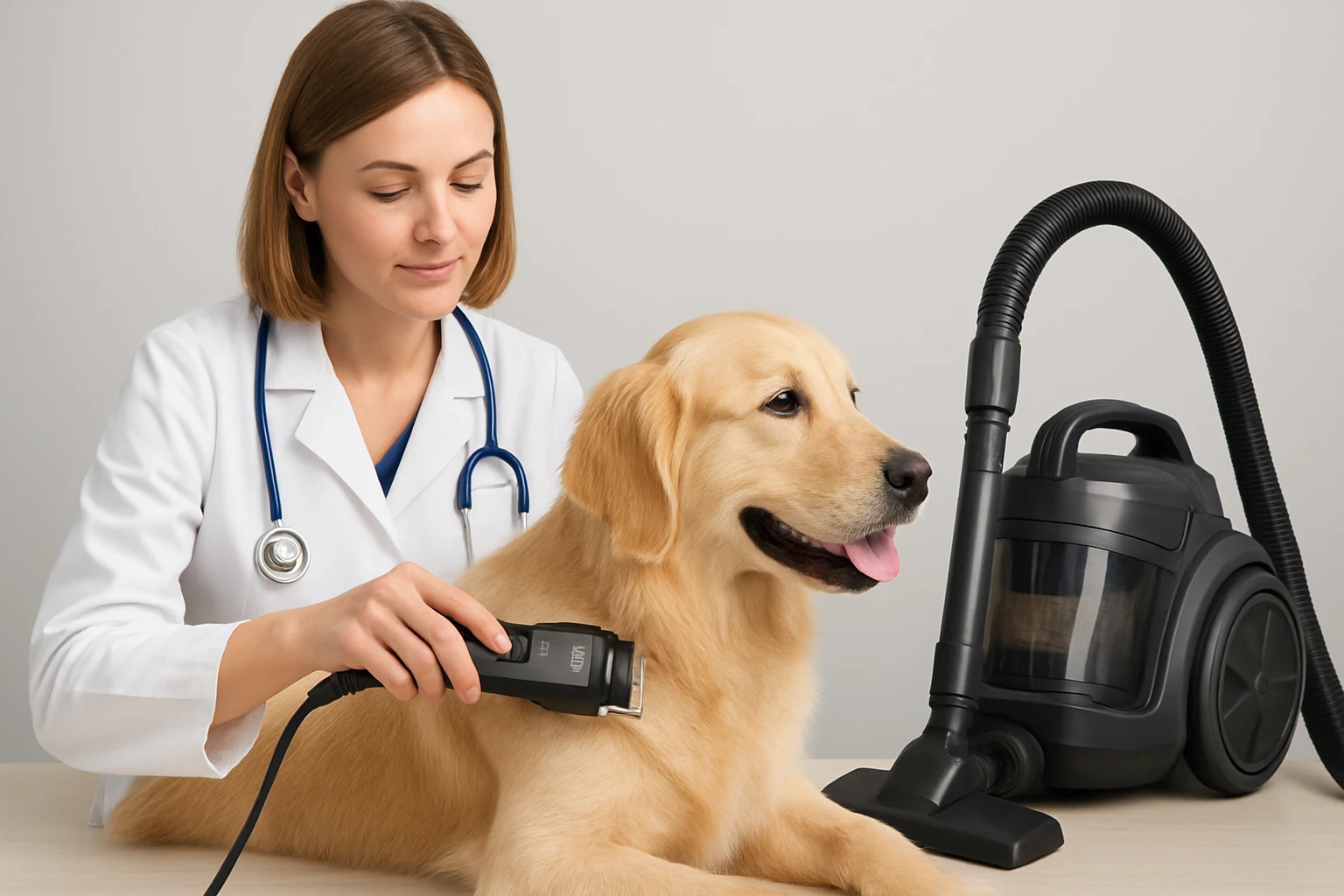

Veterinarian‑Backed Grooming and Vacuuming Plan to Reduce Shedding: The Ultimate Guide for Dog and Cat Owners
Introduction
Pet owners frequently struggle with excessive shedding, which can affect household cleanliness, trigger allergies, and diminish the enjoyment of living with a beloved animal. This guide explains the biological reasons behind shedding, outlines a systematic grooming routine, and presents vacuuming techniques that together create a comprehensive shedding‑reduction plan. Readers will learn how to select appropriate tools, apply veterinarian‑endorsed practices, and maintain a healthier indoor environment for both pets and people.
The article integrates scientific background with practical advice, ensuring that even readers with limited grooming experience can implement the recommendations confidently. Throughout the guide, specific product suggestions are highlighted where they add measurable value, and each suggestion is linked directly to an Amazon product page for convenient purchase.
Background / Context
Shedding is a natural process that allows mammals to replace old or damaged hair with new growth. Hormonal cycles, seasonal temperature changes, and nutritional status all influence the rate at which hair is lost. In dogs and cats, the outer coat (guard hairs) protects against environmental elements, while the undercoat provides insulation; both layers are shed periodically.
Excessive shedding can be a sign of underlying health issues such as skin infections, hormonal imbalances, or nutritional deficiencies. Therefore, a veterinarian‑backed plan begins with a health check to rule out medical causes before focusing on grooming and cleaning strategies. Regular veterinary visits, balanced diets rich in omega‑3 fatty acids, and proper hydration support a healthy coat and reduce abnormal hair loss.
Understanding Shedding Patterns
Most breeds exhibit two major shedding periods each year, often referred to as “blow‑outs.” Smaller breeds may shed continuously at a lower rate, while double‑coated breeds such as Siberian Huskies experience dramatic seasonal changes. Recognizing the specific pattern of one’s pet enables the owner to schedule grooming and cleaning activities at optimal intervals.
- Identify peak shedding weeks by observing the amount of hair on furniture and clothing.
- Track changes in coat texture; a dull or brittle coat may indicate nutritional gaps.
- Consult a veterinarian if shedding is accompanied by itching, redness, or bald patches.
By aligning grooming frequency with these natural cycles, owners can capture loose hair before it settles on surfaces, thereby minimizing the workload for vacuuming.
Effective Grooming Techniques
Grooming serves two primary purposes: removing loose hair and maintaining skin health. A systematic approach includes brushing, clipping, and bathing, each performed with tools designed for the pet’s coat type. The following sections describe each step in detail.
Brushing
Daily brushing with a brush appropriate for the pet’s coat length removes loose hair before it reaches the floor. For short‑haired dogs, a rubber bristle brush works well; for long‑haired cats, a slicker brush reduces matting while collecting undercoat fibers. Brushing also stimulates circulation, distributing natural oils that enhance coat sheen.
Professional groomers often recommend a brushing schedule of 5‑10 minutes per session, which is sufficient to capture the majority of loose fibers without causing skin irritation.
Clipping
During peak shedding periods, strategic clipping of the undercoat can dramatically reduce the volume of hair that falls onto furniture. The HEAPETS Dog Grooming Clippers provide a cordless, low‑noise solution that is well suited for both home and professional use. Key specifications include:
- Cordless design with a three‑hour charge delivering approximately 180 minutes of continuous operation.
- Adjustable length settings of 3 mm, 6 mm, 9 mm, 12 mm, 15 mm, and 18 mm, allowing precise control over hair length.
- High‑quality ceramic blades that remain sharp and safe, reducing the risk of skin irritation.
- Operating noise level of roughly 50 dB, which is quiet enough for timid pets.
- Water‑resistant, detachable blades that can be washed directly under running water.
With a price of $19.99 and a rating of 4.5 out of 5 stars from 1,934 reviews, the clippers have demonstrated reliability and user satisfaction. Their rechargeable USB capability permits charging from a wall adapter, power bank, laptop, or desktop, enhancing portability for on‑the‑go grooming sessions.
When using clippers, it is advisable to first trim long hair with scissors to prevent the blades from becoming jammed. The low‑noise motor ensures that even the most nervous animals remain calm throughout the procedure.
Bathing
Bathing with a hypoallergenic, pH‑balanced shampoo removes loose hair and debris while moisturizing the skin. After bathing, a thorough towel dry followed by a brief brushing session captures any remaining fibers. Over‑bathing can strip natural oils, so most veterinarians recommend bathing no more than once a month for short‑haired breeds and every two to three weeks for long‑haired breeds.
Vacuuming Strategies for Pet Hair
Even with diligent grooming, some hair will inevitably reach the floor. Selecting a vacuum that excels at pet hair removal is essential for maintaining a clean home environment. The following criteria should guide the purchase decision:
- High‑efficiency particulate air (HEPA) filtration to trap microscopic allergens.
- Motorized brush roll or turbo‑head attachment designed to lift embedded hair from carpet fibers.
- Adjustable suction power to accommodate delicate upholstery without damaging fabric.
- Lightweight construction for ease of maneuverability around furniture.
When vacuuming, adopt a systematic pattern: start at the farthest corner of a room and work toward the exit, overlapping each pass by at least 50 percent. This technique ensures that no area is missed and that displaced hair is collected by subsequent passes.
For hard‑floor surfaces, a rubber‑edged brush head can attract static‑charged hair, while a beater brush is optimal for low‑pile carpets. Empty the vacuum canister or replace the bag after each use to maintain suction efficiency.
Integrating Grooming and Cleaning Schedules
A synchronized schedule maximizes the effectiveness of both grooming and vacuuming. The following weekly plan provides a balanced approach:
- Monday: Light brushing session (5 minutes) followed by a quick vacuum of high‑traffic areas.
- Wednesday: Full grooming session with the HEAPETS Dog Grooming Clippers, adjusting blade length to the pet’s coat requirements.
- Friday: Deep vacuuming of all carpeted rooms using the turbo‑head attachment.
- Sunday: Bathing (if due) and post‑bath brushing, followed by a final vacuum of the bathroom and nearby floors.
This routine distributes grooming effort throughout the week, preventing the accumulation of large hair piles and reducing the time required for each vacuuming session.
Comparison / Selection Guide
Choosing the right grooming tool involves evaluating several factors. Although the guide focuses on the HEAPETS Dog Grooming Clippers, owners should also consider alternative options based on the following criteria:
| Feature | HEAPETS Dog Grooming Clippers | Typical Competing Model |
|---|---|---|
| Cordless Operation | Yes, up to 180 minutes per charge | Often limited to 60‑90 minutes |
| Adjustable Length Settings | Six precise increments (3‑18 mm) | Usually three to four settings |
| Blade Material | Ceramic, durable and rust‑resistant | Stainless steel, may dull faster |
| Noise Level | Approximately 50 dB | Often 60‑70 dB |
| Price | $19.99 | $30‑$50 |
| Customer Rating | 4.5/5 (1,934 reviews) | Varies, typically 3.5‑4.0 |
For owners who prioritize quiet operation, long battery life, and precise length control, the HEAPETS clippers present a compelling value proposition. Those with a larger budget may opt for premium models that include additional accessories, but the essential performance metrics are already met by the HEAPETS product.
Best Practices & Tips
- Perform a health assessment with a veterinarian before initiating an intensive grooming regimen.
- Use a grooming brush that matches the pet’s coat length to avoid pulling or matting.
- Charge the HEAPETS Dog Grooming Clippers fully before each grooming session to ensure consistent power.
- Adjust the blade length gradually; start with a longer setting and decrease as needed to prevent accidental over‑trimming.
- Maintain the clippers by cleaning the detachable blades after each use; dry them thoroughly to prevent corrosion.
- Vacuum carpets in multiple directions (horizontal and vertical) to lift hair embedded deep within fibers.
- Replace vacuum filters regularly to preserve HEPA efficiency and reduce allergen recirculation.
Implementing these practices will extend the lifespan of grooming tools, improve pet comfort, and sustain a cleaner household environment.
Frequently Asked Questions
- 1. How often should I use the clippers on my dog?
- During peak shedding seasons, a clipping session every two weeks is sufficient; in off‑season months, monthly use is adequate.
- 2. Are the ceramic blades safe for cats?
- Yes, the blades are designed to be gentle on skin; however, it is advisable to start with the longest length setting and monitor the animal’s reaction.
- 3. Can the clippers be used while the battery is charging?
- No, the device must be fully charged before operation to ensure optimal motor performance and safety.
- 4. What vacuum features are most important for pet owners?
- HEPA filtration, a motorized brush roll, adjustable suction, and a lightweight chassis are the most critical attributes.
- 5. Will frequent grooming reduce the need for veterinary visits?
- Regular grooming supports skin health and can reveal early signs of disease, but it does not replace routine veterinary examinations.
- 6. Is there a recommended diet to lessen shedding?
- Foods rich in omega‑3 fatty acids, high‑quality protein, and essential vitamins promote a healthy coat and can diminish excessive shedding.
Conclusion
Reducing pet shedding requires a coordinated effort that blends veterinary insight, disciplined grooming, and effective vacuuming. By understanding the biological drivers of shedding, selecting appropriate tools such as the HEAPETS Dog Grooming Clippers, and following a structured cleaning schedule, owners can achieve a markedly cleaner home while preserving their animal’s comfort and skin health.
Adopting the practices outlined in this guide will not only minimize hair on furniture and clothing but also reduce allergen exposure for sensitive household members. Consistency, proper tool maintenance, and regular veterinary check‑ups constitute the cornerstone of a successful shedding‑reduction plan.
Products Featured in This Guide
HEAPETS Dog Grooming Clippers
Price: $19.99
Rating: 4.5 out of 5 stars (1,934 reviews)
Why it is featured: The clippers provide cordless convenience, low‑noise operation, multiple length settings, and durable ceramic blades, making them ideal for a veterinarian‑backed shedding reduction plan.