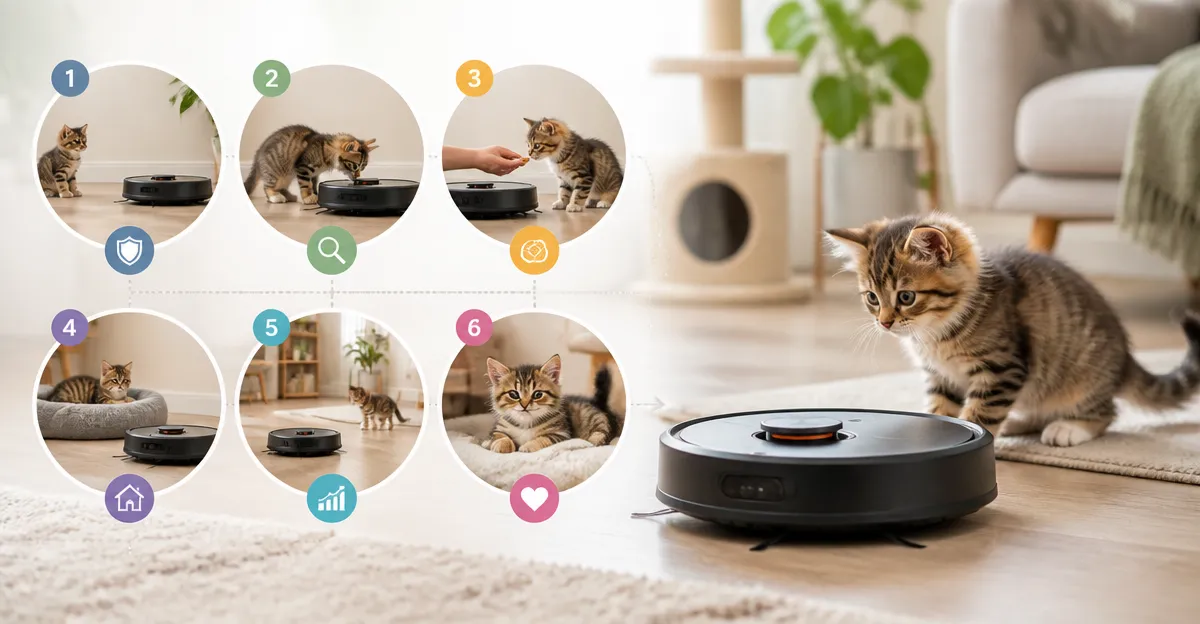
How to Train Your Kitten to Accept a Robot Vacuum: A Step‑by‑Step, Kitten‑Safe Guide
Introduction
One will discover how to introduce a robot vacuum to a kitten without causing anxiety or injury. The guide explains the psychological principles behind feline fear responses and provides actionable steps that respect the animal’s natural instincts. Readers will learn how to create a calm environment, use positive reinforcement, and manage litter to prevent unwanted messes during cleaning cycles. The information is valuable because it reduces household stress, protects the kitten, and preserves the longevity of the robotic device.
What You’ll Need
- A reputable robot vacuum with quiet operation mode.
- High‑quality kitten treats for positive reinforcement.
- A sturdy play tunnel or safe hideaway for the kitten to retreat.
- Optional: Cat Throne Toilet Trainer Kit to eliminate litter scattering during vacuum cycles.
Step 1: Prepare the Environment
Before the robot vacuum is activated, one should ensure that the floor is free of small objects that could attract the kitten’s curiosity. Remove cords, loose toys, and any fragile items that could be knocked over during the vacuum’s movement. Close doors to rooms that are not part of the training area to limit the kitten’s roaming space. This controlled environment reduces the likelihood of accidental collisions and creates a predictable setting for the animal.
Step 2: Introduce the Robot Vacuum While the Kitten Observes
Place the robot vacuum in a corner of the room with its cleaning cycle turned off. Allow the kitten to approach the stationary device at its own pace, rewarding calm behavior with a small treat. After several minutes of calm observation, start the vacuum on its lowest noise setting and let it run for a brief ten‑second interval. The kitten should be encouraged to retreat to a safe hideaway if fear is expressed; this respects the animal’s autonomy and prevents panic.
Step 3: Gradual Exposure with Controlled Sessions
Increase the duration of the robot’s cleaning cycles by two minutes each day, always monitoring the kitten’s reaction. Use a timer to keep sessions consistent, and pause the vacuum immediately if the kitten shows signs of extreme stress such as flattened ears or rapid breathing. Pair each successful session with a treat and gentle praise to build a positive association between the device and reward. Consistency is essential; a predictable schedule helps the kitten anticipate the robot’s behavior.
Step 4: Positive Reinforcement Using Treats and Play
During each training session, incorporate a favorite toy that can be safely used near the moving vacuum. Encourage the kitten to chase a feather wand or laser pointer while the robot glides across the floor, creating a game‑like atmosphere. Every time the kitten remains calm for at least thirty seconds, provide a high‑value treat and verbal affirmation. Over time, the kitten will associate the robot’s presence with enjoyable play and tasty rewards.
Step 5: Manage Litter to Prevent Messes During Vacuuming
One common source of frustration for both the owner and the robot vacuum is scattered litter that can clog the device’s brushes. Transitioning the kitten to a litter‑free solution eliminates this risk and simplifies cleaning routines. The Cat Throne Toilet Trainer Kit provides a complete, vet‑approved system that guides the kitten from a traditional litter box to a toilet‑training platform. Features such as a solid hardwood seat, patented clips for stability, and three progressive training trays make the transition smooth and secure. At a price of $99.99 and a rating of 4.2 out of 5 stars based on 55 reviews, the kit offers a reliable, long‑term solution that prevents litter from being displaced onto the floor, thereby protecting the robot vacuum’s mechanisms.
Step 6: Establish a Consistent Cleaning Schedule
After the kitten shows confidence around the robot, one should integrate the device into the daily routine. Schedule cleaning sessions at the same times each day, preferably after meals when the kitten is more likely to be relaxed. Maintain the robot’s filters and brushes according to the manufacturer’s instructions to ensure optimal performance. A predictable schedule reinforces the kitten’s sense of security and reduces the chance of unexpected encounters.
Tips & Pro Tips
- Begin training when the kitten is between eight and twelve weeks old; younger animals adapt more quickly.
- Choose a robot vacuum with a “quiet” or “eco” mode to minimize startling noises.
- Use a pheromone diffuser in the training area to promote calm behavior.
- If the kitten appears fearful, pause the session and resume after a short break; forcing exposure can damage trust.
- Maintain a clean litter area even after transitioning to the toilet trainer; a tidy environment supports overall hygiene.
Troubleshooting
Problem: Kitten hides and refuses to emerge.
Solution: Place a familiar blanket or bedding near the robot and offer treats just outside the hideaway. Gradually decrease the distance between the treat and the robot over several sessions.
Problem: Robot vacuum stops unexpectedly.
Solution: Check for litter particles or hair caught in the brush. Regularly empty the dustbin and clean the rollers to prevent clogs.
Conclusion
One has learned a systematic approach to acclimate a kitten to a robot vacuum while safeguarding both the animal and the device. By preparing the environment, using gradual exposure, reinforcing calm behavior, and managing litter with a dedicated training kit, the household can enjoy automated cleaning without stress. Consistency, patience, and positive reinforcement remain the cornerstones of successful feline training. Readers are encouraged to apply these steps and observe the transformation in their kitten’s confidence.
Products Mentioned in This Guide
Frequently Asked Questions
How can I introduce my kitten to a robot vacuum without causing fear?
Start by turning the vacuum on in a separate room, then gradually bring the kitten closer while offering treats and praise.
What type of robot vacuum is best for kittens?
Choose a model with a quiet operation mode and low‑profile design to minimize noise and accidental contact.
How do I use positive reinforcement during the training process?
Reward the kitten with high‑value treats and gentle petting each time it calmly observes or approaches the idle vacuum.
Should I use a play tunnel or hideaway, and why?
A sturdy tunnel gives the kitten a safe retreat if it feels overwhelmed, helping it associate the vacuum with a secure environment.
How can I prevent litter from being scattered when the vacuum runs?
Place a litter mat or use a cat throne toilet trainer kit to contain litter, reducing mess during cleaning cycles.