Introduction
Pet owners frequently wonder whether a vacuum cleaner can meaningfully improve indoor air quality. This guide explains the scientific relationship between vacuum technology and airborne allergens, outlines practical strategies for pet households, and recommends equipment that delivers measurable benefits. Readers will learn how filtration systems, suction power, and specialized attachments work together to capture pet dander, dust, and odor particles. By the end of this article, one will be equipped to select a vacuum that aligns with personal cleaning goals and budget constraints.
Background and Context
Indoor air quality deteriorates when microscopic particles such as pet hair, dander, and volatile organic compounds accumulate on surfaces. These particles become airborne through everyday activities, leading to respiratory irritation for sensitive individuals. Modern vacuums incorporate high‑efficiency particulate air (HEPA) filters, sealed systems, and motorized brush rolls to address these challenges. Understanding the underlying mechanisms enables consumers to appreciate why certain specifications matter more than others.
Key Concepts for Improving Air Quality
Three primary concepts drive effective allergen reduction: suction power, filtration integrity, and tool versatility. Suction power, measured in air watts, determines how deeply a vacuum can draw debris from carpet fibers and hard‑floor cracks. Filtration integrity refers to the ability of the system to trap particles and prevent re‑entrainment into the room; HEPA filters capture 99.97% of particles down to 0.3 microns. Tool versatility ensures that upholstery, stairs, and tight spaces receive the same level of cleaning as open floor areas.
Why Suction Power Matters
- Higher suction lifts embedded pet hair from carpet loops.
- Strong airflow dislodges dust settled in grout lines.
- Powerful suction works in tandem with brushrolls to agitate embedded allergens.
Importance of HEPA Filtration
- HEPA filters create a sealed environment that prevents captured particles from escaping.
- Anti‑allergen technology reduces the concentration of dander in the breathing zone.
- Long‑term use can lower allergy symptoms for occupants with sensitivities.
Tool Versatility for Pet Environments
- Motorized pet‑specific attachments lift hair from sofas and car seats.
- Lift‑away canisters allow cleaning beneath furniture where dust accumulates.
- LED headlights expose hidden debris, ensuring thorough cleaning.
Product Recommendation
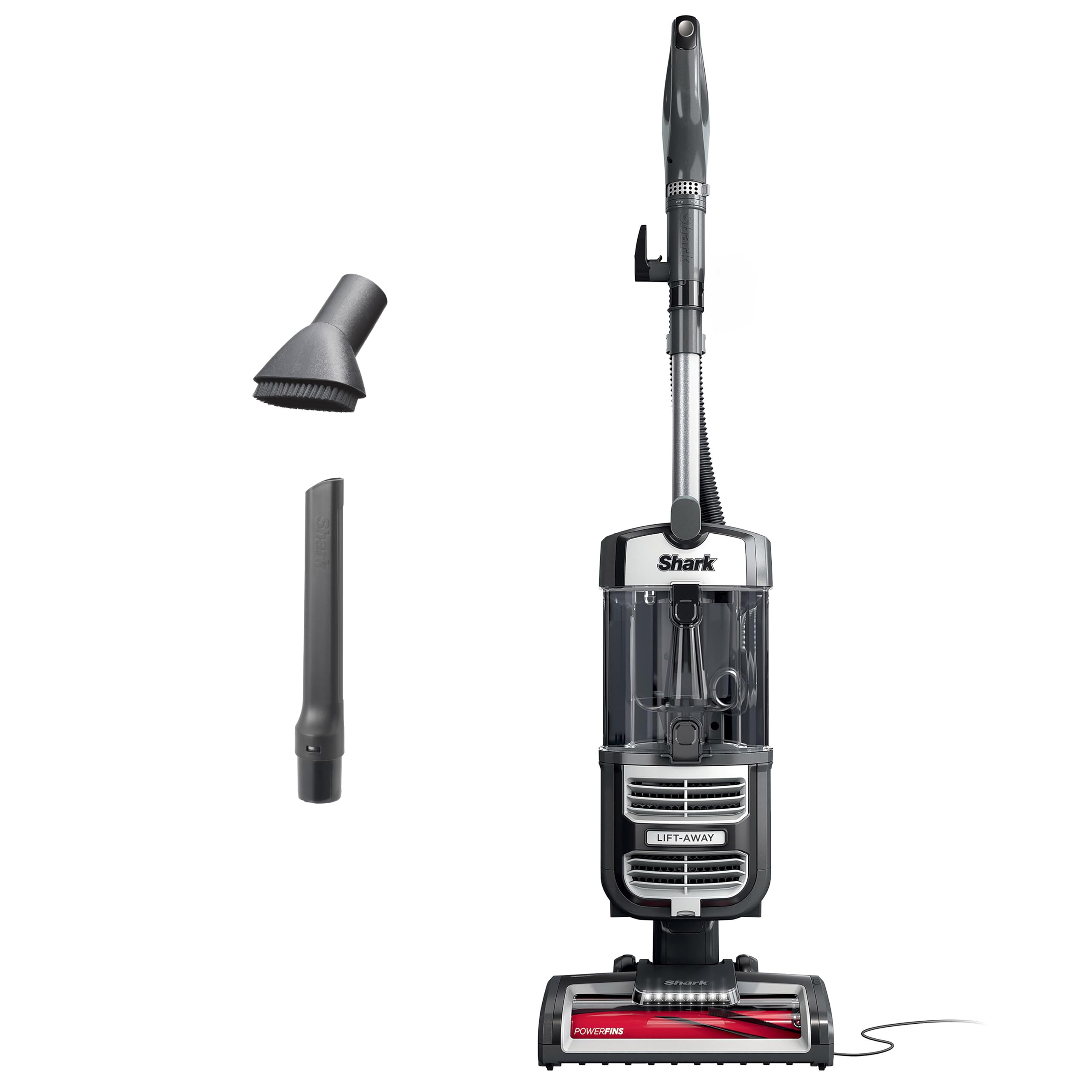
For households seeking a balanced combination of suction, filtration, and pet‑focused accessories, the Shark UV730 Lift-Away Vacuum offers a compelling solution. Priced at $119.99, this model carries a 4.4 out of 5 star rating based on 1,144 reviews, indicating broad consumer satisfaction. Key features include a powerful multi‑surface suction system, a detachable pod for hard‑to‑reach areas, and an anti‑allergen sealed system equipped with a HEPA filter. The LED headlights illuminate hidden debris, while the PowerFins HairPro brushroll actively separates pet hair from carpet fibers.
Comparison and Selection Guide
When evaluating vacuums for pet homes, consider the following criteria and compare them against the Shark UV730 specifications. The table below summarizes how the featured model stacks up against two common alternatives.
| Feature | Shark UV730 Lift‑Away | Model A (Standard Upright) | Model B (Cordless Stick) |
|---|---|---|---|
| Price | $119.99 | $149.99 | $199.99 |
| HEPA Rating | Yes (Complete Seal Technology) | Optional | Yes |
| Suction Power (Air Watts) | High (manufacturer claims multi‑surface power) | Medium | High |
| Lift‑Away Function | Yes, detachable pod | No | No |
| Pet‑Specific Tools | Pet multi‑tool, crevice tool | Basic brushroll | Mini motorized brush |
| LED Headlights | Yes | No | Yes |
| Customer Rating | 4.4/5 (1,144 reviews) | 3.9/5 (800 reviews) | 4.2/5 (650 reviews) |
Readers should prioritize models that combine HEPA filtration with a detachable canister, as this configuration maximizes both allergen capture and reach. The Shark UV730 excels in these areas while remaining budget‑friendly.
Best Practices & Tips for Maximizing Air Quality
Even the most advanced vacuum will underperform without proper usage habits. Follow these evidence‑based practices to achieve optimal results.
- Vacuum at least twice per week in high‑traffic zones to prevent dander buildup.
- Replace HEPA filters according to the manufacturer’s schedule, typically every 3‑6 months, to maintain filtration efficiency.
- Utilize the lift‑away pod for under‑furniture cleaning, as dust tends to settle in these hidden areas.
- Engage the LED headlights when cleaning dark corners or under sofas to expose concealed hair and debris.
- Combine vacuuming with regular grooming of pets to reduce the amount of loose hair entering the environment.
Frequently Asked Questions
1. Does a vacuum with a HEPA filter guarantee allergy relief?
HEPA filtration significantly reduces airborne allergens, but complete relief also depends on overall cleaning frequency, ventilation, and pet grooming practices.
2. Can a cordless vacuum provide the same suction as a corded model?
Modern cordless vacuums can deliver comparable suction, yet battery life may limit continuous operation, especially on large carpeted areas.
3. How often should the filter be cleaned or replaced?
Manufacturers typically recommend cleaning reusable filters after every 5‑10 uses and replacing disposable HEPA filters every 3‑6 months, depending on usage intensity.
4. Are LED headlights essential for pet owners?
LED headlights are not strictly essential, but they aid in locating hidden debris, ensuring a more thorough cleaning session and reducing the chance of missed allergens.
5. Will the lift‑away feature increase cleaning time?
The lift‑away function adds a short setup step, yet it dramatically improves access to concealed spaces, ultimately saving time by reducing the need for multiple passes.
Conclusion
Vacuum cleaners equipped with powerful suction, sealed HEPA filtration, and pet‑specific tools play a pivotal role in improving indoor air quality for pet households. By selecting a model such as the Shark UV730 Lift‑Away Vacuum, adhering to best‑practice cleaning routines, and maintaining filters diligently, one can substantially lower pet dander, allergens, and odors. The information presented herein empowers readers to make informed purchasing decisions and to implement systematic cleaning strategies that promote healthier indoor environments.
Products Featured in This Guide
Shark UV730 Lift-Away Vacuum
Price: $119.99
Rating: 4.4 out of 5 stars (1,144 reviews)
Featured because it combines high suction, HEPA filtration, lift‑away convenience, and pet‑focused accessories at an accessible price point.